Tiết kiệm dây đồng! Giá tấm thép silic giảm hơn 30%!
9th Tháng 6 2026
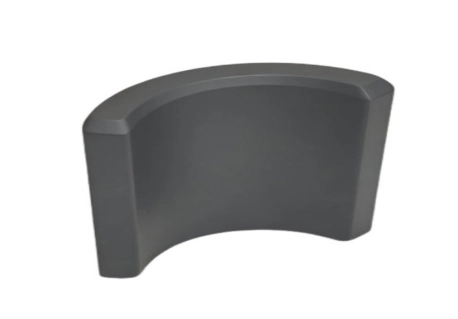
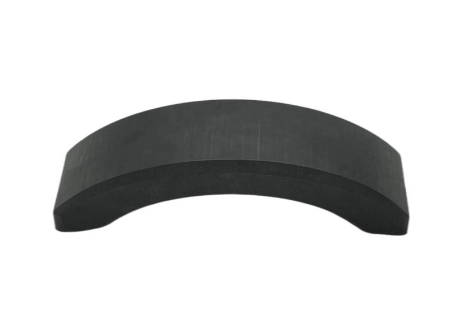
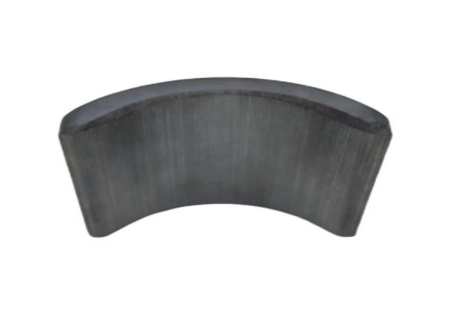
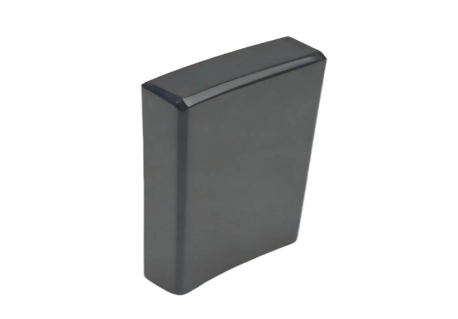
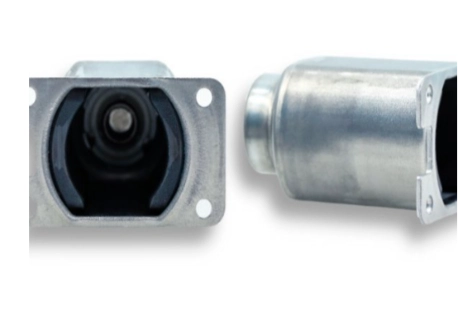
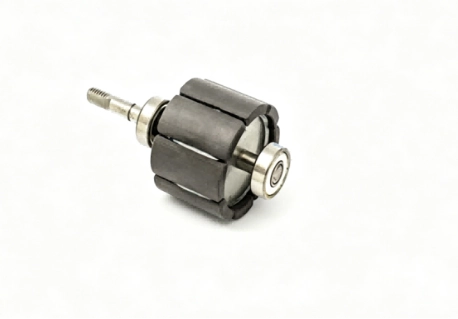
Chúng tôi đã cho ra mắt một giải pháp đột phá để thay thế các tấm nam châm riêng lẻ truyền thống được sử dụng trong động cơ quạt.
✅ Giải pháp này sử dụng nam châm ferrite cấp Y30 kết hợp với công nghệ phủ nhựa.
✅ Hỗ trợ thiết kế 10 cực, 14 cực và 16 cực.
✅ Đường kính ngoài khoảng 100-160mm.
✅ Cả đường kính trong và ngoài đều có thể được tùy chỉnh hoàn toàn theo yêu cầu của bạn.
� Ứng dụng chính: Động cơ quạt trần công nghiệp
Giải pháp tối ưu này giúp tiết kiệm hiệu quả lượng dây đồng sử dụng và giảm chi phí tấm thép silic hơn 30%, giúp cải thiện đáng kể hiệu quả chi phí sản phẩm và khả năng cạnh tranh trên thị trường.
� Chào mừng quý khách hàng quan tâm liên hệ với dịch vụ khách hàng trực tuyến của chúng tôi để nhận mẫu và báo giá chính thức! Email: shirley@gaumumagnet.com Trang web: www.gaumumagnet.com
话题标签#Động cơ quạt công nghiệp 话题标签#FerriteMagnet 话题标签#PlasticCoatedMagnet 话题标签#MotorCostSaving 话题标签#MotorAccessories话题标签#Giải pháp sản xuất
Ferrite thay thế các nguyên tố đất hiếm? Điều này không còn chỉ là lý thuyết nữa.
8th Tháng 6 2026
Trong ngành công nghiệp động cơ, nhiều người vẫn tin rằng "Hiệu suất cao = Đất hiếm (NdFeB)". Nhưng trước sự biến động giá cả và rủi ro chuỗi cung ứng, các giải pháp "Không sử dụng đất hiếm" đã trở thành hiện thực thương mại.
Dưới đây là 3 trường hợp thành công trong việc ứng dụng Ferrite mà mọi kỹ sư và người mua nên biết:
1. Chuẩn mực xuyên ngành: Gree Kaibang. Quay trở lại năm 2010, họ đã cho ra mắt động cơ từ trở đồng bộ không sử dụng đất hiếm, hiện đang được sử dụng trong hơn 100 triệu máy điều hòa không khí biến tần. Ấn tượng hơn nữa, công nghệ này đã được mở rộng quy mô đến các động cơ truyền động chính cho xe điện thương mại (40-200kW), đạt hiệu suất siêu cao cấp IE5.
2. "Những nhà vô địch thầm lặng" trong máy nén HVAC. Những gã khổng lồ như Panasonic Wanbao và Rechi đã chứng minh rằng đối với các thiết bị dưới 1,5HP, máy nén VFD Ferrite có thể đáp ứng đầy đủ các tiêu chuẩn hiệu quả năng lượng Tier 1. Khi giá đất hiếm tăng vọt, Ferrite là chất ổn định tối ưu.
3. Lộ trình công nghệ từ Nhật Bản: Proterial (trước đây là Hitachi Metals) đã chế tạo nguyên mẫu động cơ xe điện chỉ sử dụng nam châm Ferrite đáp ứng yêu cầu về công suất. Điều này chứng minh rằng với việc bố trí nam châm và thiết kế mạch sáng tạo, giới hạn hiệu suất của Ferrite liên tục được đẩy lên.
� Kết luận của tôi: Thách thức cốt lõi không còn là "Ferrite có hoạt động được không?" mà là "Làm thế nào để tối ưu hóa cấu trúc mạch từ (như thiết kế SynRM) để tối đa hóa tỷ lệ chi phí-hiệu suất?"
Nếu bạn đang tìm kiếm các giải pháp giảm chi phí hoặc quan tâm đến thiết kế động cơ Ferrite, hãy liên hệ với chúng tôi!
#FerriteMagnet 话题标签#RareEarthFree 话题标签#ElectricMotor 话题标签#CostReduction 话题标签#SupplyChain 话题标签#Kỹ thuật 话题标签#HVAC话题标签#EV
Nam châm vòng cung ferit lệch tâm: Chúng là gì và chức năng của chúng
5th Tháng 5 2026
In the rotor design of permanent magnet motors, magnetic arc segments are key components that directly determine magnetic field distribution and overall motor performance.
Eccentric arc magnets (also known as eccentric magnetic tiles) are an optimized structure developed based on standard equal-thickness magnets.
What is an eccentric arc magnet?
Unlike concentric arc magnets, where the inner and outer arcs share the same center, an eccentric arc magnet has different centers for its inner and outer radii.
This special geometry creates a gradually varying thickness across the magnet, from the thickest point to the thinnest point. This design is intentional, not a manufacturing defect — it is a precision-engineered magnetic circuit optimization.
Main functions of eccentric ferrite arc magnets
Produce a more sinusoidal air-gap magnetic field
Reduce magnetic harmonics effectively
Lower motor noise, vibration and cogging torque
Improve running smoothness and efficiency
Typical applications
Eccentric magnets are widely used in high-performance motors where low noise and stable operation are critical:
Inverter air conditioner compressor motors
New energy vehicle drive & auxiliary motors
High-speed, low-noise micro motors
High-efficiency permanent magnet synchronous motors (PMSM)
If you need custom eccentric ferrite arc magnets, rotor magnets, samples or quotations, welcome to contact us for professional support.
📩 shirley@gaumumagnet.com
10 câu hỏi thường gặp về nam châm bánh đà
5th Tháng 5 2026
Flywheel magnets are critical magnetic components in motors, generators, and small power systems. Their performance directly impacts efficiency, stability, and service life. Here are the 10 most common questions and answers for engineers and buyers.
Q1: What is a flywheel magnet?
A flywheel magnet is a permanent magnet mounted on a rotating flywheel (magneto rotor) to generate a stable magnetic field, widely used in small engines, generators, magnetic bikes, and garden machinery.
Q2: What materials are commonly used for flywheel magnets?
The main materials are ferrite magnets (cost-effective & stable) and neodymium magnets (high magnetic strength & compact size).
Q3: What structures do flywheel magnets usually have?
They are typically designed as arc-shaped segments or one-piece magnetic rings to fit different rotor diameters and pole requirements.
Q4: How to tell if a flywheel magnet is damaged or demagnetized?
Common symptoms include:
Hard starting or unstable ignition
Reduced engine power and poor combustion
Insufficient generator output or weak lighting
These are usually caused by magnetic loss or demagnetization.
Q5: What is the function of flywheel magnets?
They induce electromotive force by rotating relative to coils, supporting ignition and charging systems, and ensuring stable operation of engines and motors.
Q6: How long do flywheel magnets last?
With proper use (no overheating, no strong impact), high-quality flywheel magnets can last for years. High temperatures or harsh environments may accelerate demagnetization.
Q7: Are all flywheel magnets the same?
No. They vary in size, arc, pole number, magnetic grade, and temperature resistance and must be matched to specific applications.
Q8: Can I replace only one damaged flywheel magnet?
Technically yes, but full set replacement is recommended to ensure uniform magnetic field distribution and avoid vibration or abnormal performance.
Q9: What temperature resistance is required?
General motors: 80–120°C
Gasoline engine flywheels: above 150°C
High-temperature applications: 180°C+
Inappropriate temperature grades lead to irreversible demagnetization.
Q10: Is stronger magnetism always better?
No. Magnetic strength must match system design. Excessively high magnetism can cause signal distortion, increased losses, and unnecessary cost.
If you need custom flywheel magnets, technical support or quotations, feel free to contact us.📩 shirley@gaumumagnet.com
Các phương pháp từ hóa thường dùng
5th Tháng 5 2026
Air-gap Magnetic Field Produced by 2-pole and 4-pole Magnetic Tiles Under Different Magnetization Methods
In permanent magnet motors, multiple magnetic tiles (one tile per pole) are commonly used, mainly made of NdFeB or ferrite. The magnet is composed of 2 or even dozens of magnetic tiles. The commonly used magnetization methods include:
📌 Parallel Magnetization
📌 Radial Magnetization
This paper focuses on the air-gap magnetic field generated by 2-pole and 4-pole magnetic tiles under the two magnetization methods mentioned above.
🔍 Case Study: 3 kW, 100 kr/min High-speed Motor
▶️ 2-pole Magnetic Tiles
The figure below shows the air-gap magnetic field distribution waveforms under different magnetization methods:
– Radial Magnetization:
• Air-gap magnetic field: Close to a trapezoidal waveform
• Fourier decomposition results:
– Fundamental component: Only 91.2% of that under parallel magnetization
– 3rd harmonic: 16.3% of the fundamental component
– 5th harmonic: 3.8% of the fundamental component
– 7th harmonic: 1.0% of the fundamental component
• Conclusion: The 5th and higher-order harmonics are very small.
▶️ 4-pole Magnetic Tiles
The figure below shows the air-gap magnetic field distribution waveforms under different magnetization methods:
– Key Feature: The 5th and higher-order harmonics are negligible.
– Parallel Magnetization: 3rd harmonic = 4.2% of the fundamental component
– Radial Magnetization: 3rd harmonic = 6.2% of the fundamental component
💡 Critical Finding
Compared with radial magnetization, parallel magnetization can increase the fundamental air-gap magnetic field by 26.7%.
📊 Final Analysis
Parallel magnetization makes the air-gap magnetic field close to a sinusoidal distribution, and is beneficial to improving the fundamental component of the magnetic field and the effective electromagnetic torque.
📩 shirley@gaumumagnet.com