Risparmia sul filo di rame! Il costo delle lamiere di acciaio al silicio si riduce di oltre il 30%!
9th Giugno 2026
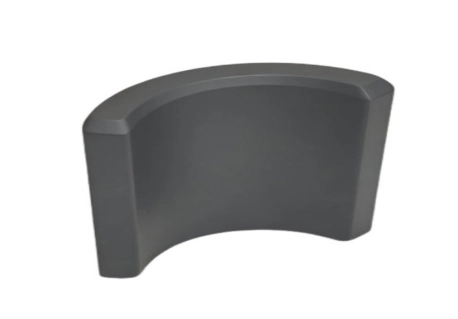
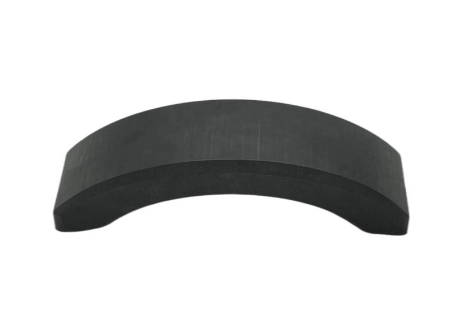
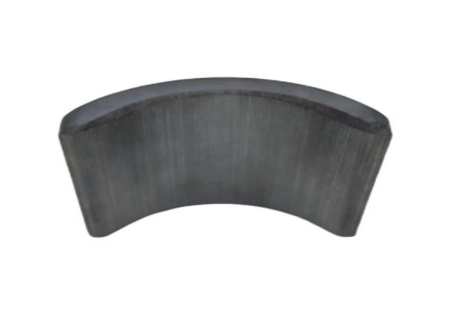
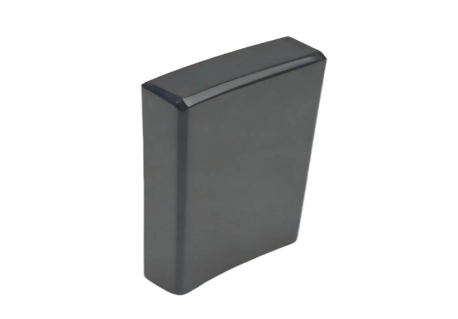
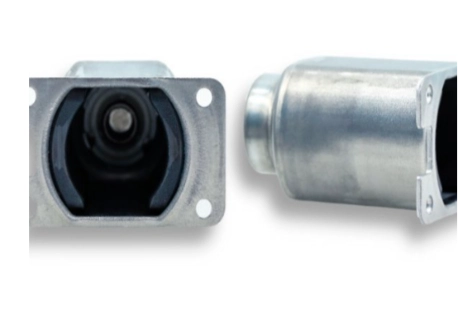
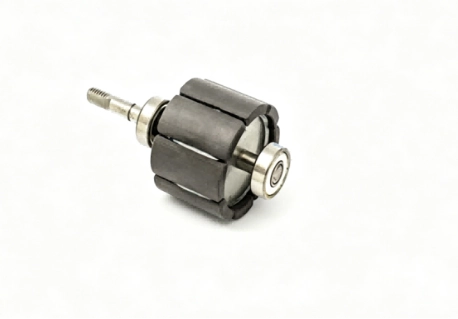
Abbiamo lanciato una soluzione innovativa per sostituire le tradizionali piastre magnetiche separate utilizzate nei motori per ventilatori.
✅ Questa soluzione adotta magneti in ferrite di grado Y30 con tecnologia di rivestimento in plastica.
✅ Supporta configurazioni a 10, 14 e 16 poli.
✅ Diametro esterno di circa 100-160 mm.
✅ Sia il diametro interno che quello esterno possono essere completamente personalizzati in base alle vostre esigenze.
� Applicazione principale: motori per ventilatori da soffitto industriali
Questa soluzione ottimizzata consente di risparmiare efficacemente il filo di rame e di ridurre i costi delle lamiere di acciaio al silicio di oltre il 30%, migliorando notevolmente la redditività del prodotto e la competitività sul mercato.
� Invitiamo i clienti interessati a contattare il nostro servizio clienti online per campioni e preventivi ufficiali!
E-mail: shirley@gaumumagnet.com Sito web: www.gaumumagnet.com
Elenco prodotti#IndustrialFanMotor Elenco#FerriteMagnet Elenco#PlasticCoatedMagnet Elenco#MotorCostSaving Elenco#MotorAccessories话题标签#ManufacturingSolution
La ferrite in sostituzione delle terre rare? Non è più solo una teoria.
8th Giugno 2026
Nell'industria automobilistica, molti credono ancora che "Alte prestazioni = Terre rare (NdFeB)". Tuttavia, di fronte alla volatilità dei prezzi e ai rischi della catena di approvvigionamento, le soluzioni "senza terre rare" sono già una realtà commerciale.
Ecco 3 casi di successo di adozione della ferrite che ogni ingegnere e acquirente dovrebbe conoscere:
1. Il punto di riferimento intersettoriale: Gree Kaibang. Nel 2010, l'azienda ha lanciato motori sincroni a riluttanza senza terre rare, ora utilizzati in oltre 100 milioni di condizionatori d'aria a frequenza variabile. Ancora più impressionante, questa tecnologia è stata estesa ai motori di trazione principali per veicoli elettrici commerciali (40-200 kW), raggiungendo un'efficienza ultra-premium IE5.
2. I "campioni nascosti" Nel settore dei compressori HVAC, giganti come Panasonic Wanbao e Rechi hanno dimostrato che, per unità con potenza inferiore a 1,5 HP, i compressori VFD in ferrite possono soddisfare pienamente gli standard di efficienza energetica Tier 1. Quando i costi delle terre rare aumentano, la ferrite rappresenta la soluzione stabilizzante definitiva.
3. La roadmap tecnologica dal Giappone: Proterial (precedentemente Hitachi Metals) ha già realizzato prototipi di motori per veicoli elettrici utilizzando esclusivamente magneti in ferrite, che soddisfano i requisiti di potenza. Ciò dimostra che, grazie a un posizionamento innovativo dei magneti e a una progettazione del circuito all'avanguardia, i limiti prestazionali della ferrite vengono costantemente superati.
� Il mio punto chiave: la sfida principale non è più "La ferrite può funzionare?", ma "Come possiamo ottimizzare la topologia del circuito magnetico (come nei progetti SynRM) per massimizzare il rapporto costo-prestazioni?".
Se state esplorando soluzioni per la riduzione dei costi o siete interessati alla progettazione di motori in ferrite, contattatemi!
#FerriteMagnet Guida#RareEarthFree Guida#ElectricMotor Guida#CostReduction Guida#SupplyChain Guida#Engineering Guida#HVAC话题标签#EV
Magneti ad arco eccentrici in ferrite: cosa sono e le loro funzioni
5th Maggio 2026
In the rotor design of permanent magnet motors, magnetic arc segments are key components that directly determine magnetic field distribution and overall motor performance.
Eccentric arc magnets (also known as eccentric magnetic tiles) are an optimized structure developed based on standard equal-thickness magnets.
What is an eccentric arc magnet?
Unlike concentric arc magnets, where the inner and outer arcs share the same center, an eccentric arc magnet has different centers for its inner and outer radii.
This special geometry creates a gradually varying thickness across the magnet, from the thickest point to the thinnest point. This design is intentional, not a manufacturing defect — it is a precision-engineered magnetic circuit optimization.
Main functions of eccentric ferrite arc magnets
Produce a more sinusoidal air-gap magnetic field
Reduce magnetic harmonics effectively
Lower motor noise, vibration and cogging torque
Improve running smoothness and efficiency
Typical applications
Eccentric magnets are widely used in high-performance motors where low noise and stable operation are critical:
Inverter air conditioner compressor motors
New energy vehicle drive & auxiliary motors
High-speed, low-noise micro motors
High-efficiency permanent magnet synchronous motors (PMSM)
If you need custom eccentric ferrite arc magnets, rotor magnets, samples or quotations, welcome to contact us for professional support.
📩 shirley@gaumumagnet.com
10 domande frequenti sui magneti del volano
5th Maggio 2026
Flywheel magnets are critical magnetic components in motors, generators, and small power systems. Their performance directly impacts efficiency, stability, and service life. Here are the 10 most common questions and answers for engineers and buyers.
Q1: What is a flywheel magnet?
A flywheel magnet is a permanent magnet mounted on a rotating flywheel (magneto rotor) to generate a stable magnetic field, widely used in small engines, generators, magnetic bikes, and garden machinery.
Q2: What materials are commonly used for flywheel magnets?
The main materials are ferrite magnets (cost-effective & stable) and neodymium magnets (high magnetic strength & compact size).
Q3: What structures do flywheel magnets usually have?
They are typically designed as arc-shaped segments or one-piece magnetic rings to fit different rotor diameters and pole requirements.
Q4: How to tell if a flywheel magnet is damaged or demagnetized?
Common symptoms include:
Hard starting or unstable ignition
Reduced engine power and poor combustion
Insufficient generator output or weak lighting
These are usually caused by magnetic loss or demagnetization.
Q5: What is the function of flywheel magnets?
They induce electromotive force by rotating relative to coils, supporting ignition and charging systems, and ensuring stable operation of engines and motors.
Q6: How long do flywheel magnets last?
With proper use (no overheating, no strong impact), high-quality flywheel magnets can last for years. High temperatures or harsh environments may accelerate demagnetization.
Q7: Are all flywheel magnets the same?
No. They vary in size, arc, pole number, magnetic grade, and temperature resistance and must be matched to specific applications.
Q8: Can I replace only one damaged flywheel magnet?
Technically yes, but full set replacement is recommended to ensure uniform magnetic field distribution and avoid vibration or abnormal performance.
Q9: What temperature resistance is required?
General motors: 80–120°C
Gasoline engine flywheels: above 150°C
High-temperature applications: 180°C+
Inappropriate temperature grades lead to irreversible demagnetization.
Q10: Is stronger magnetism always better?
No. Magnetic strength must match system design. Excessively high magnetism can cause signal distortion, increased losses, and unnecessary cost.
If you need custom flywheel magnets, technical support or quotations, feel free to contact us.📩 shirley@gaumumagnet.com
I metodi di magnetizzazione comunemente utilizzati
5th Maggio 2026
Air-gap Magnetic Field Produced by 2-pole and 4-pole Magnetic Tiles Under Different Magnetization Methods
In permanent magnet motors, multiple magnetic tiles (one tile per pole) are commonly used, mainly made of NdFeB or ferrite. The magnet is composed of 2 or even dozens of magnetic tiles. The commonly used magnetization methods include:
📌 Parallel Magnetization
📌 Radial Magnetization
This paper focuses on the air-gap magnetic field generated by 2-pole and 4-pole magnetic tiles under the two magnetization methods mentioned above.
🔍 Case Study: 3 kW, 100 kr/min High-speed Motor
▶️ 2-pole Magnetic Tiles
The figure below shows the air-gap magnetic field distribution waveforms under different magnetization methods:
– Radial Magnetization:
• Air-gap magnetic field: Close to a trapezoidal waveform
• Fourier decomposition results:
– Fundamental component: Only 91.2% of that under parallel magnetization
– 3rd harmonic: 16.3% of the fundamental component
– 5th harmonic: 3.8% of the fundamental component
– 7th harmonic: 1.0% of the fundamental component
• Conclusion: The 5th and higher-order harmonics are very small.
▶️ 4-pole Magnetic Tiles
The figure below shows the air-gap magnetic field distribution waveforms under different magnetization methods:
– Key Feature: The 5th and higher-order harmonics are negligible.
– Parallel Magnetization: 3rd harmonic = 4.2% of the fundamental component
– Radial Magnetization: 3rd harmonic = 6.2% of the fundamental component
💡 Critical Finding
Compared with radial magnetization, parallel magnetization can increase the fundamental air-gap magnetic field by 26.7%.
📊 Final Analysis
Parallel magnetization makes the air-gap magnetic field close to a sinusoidal distribution, and is beneficial to improving the fundamental component of the magnetic field and the effective electromagnetic torque.
📩 shirley@gaumumagnet.com