
- 17th July 2026
Magnet material selection involves more than magnetic strength alone. It also influences cost, product dimensions, heat resistance, service life, supply stability, and overall product performance. Engineers, purchasing teams, and product developers need a practical magnetic materials comparison. Such a comparison should start from the actual working conditions of the final product.
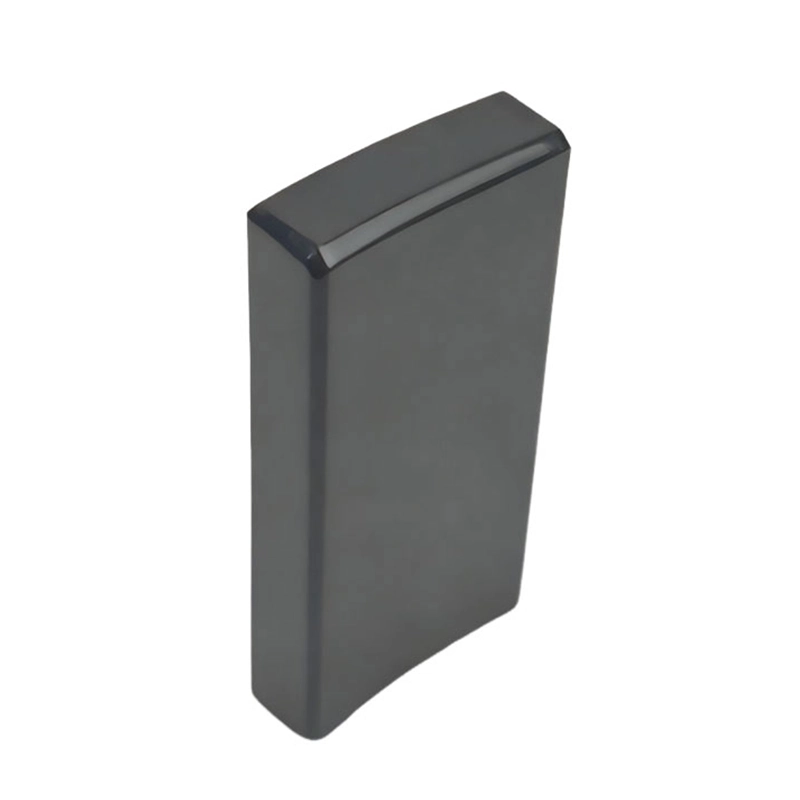
At GAUMU MAGNET, we supply magnetic material solutions for motor applications. Our products include ferrite magnets for automotive motors, household appliance motors, power tools, fitness equipment, generators, and other industrial uses.
Why Magnet Material Selection Matters in Engineering
Cost Is Only One Part of the Decision
Ferrite magnets usually provide a clear cost advantage. Their raw materials remain more common than those in many other types. They perform effectively in numerous motor and industrial systems. These systems allow for a larger magnet volume in the design. Neodymium magnets deliver greater strength. However, they generally come with higher costs and greater sensitivity to rare earth supply variations. AlNiCo magnets find use in more specialized high-temperature or sensor-related applications.
Engineering Fit Matters More Than Maximum Strength
The magnet with the highest strength does not always fit the application best. A compact high-strength magnet may suit a small high-torque motor. In contrast, fan motors, treadmill motors, automotive auxiliary motors, and many appliance motors often work well with ferrite. This material supplies sufficient magnetic performance while offering improved cost stability.
Ferrite Magnets: Practical Value for Industrial Production
Cost and Supply Advantages
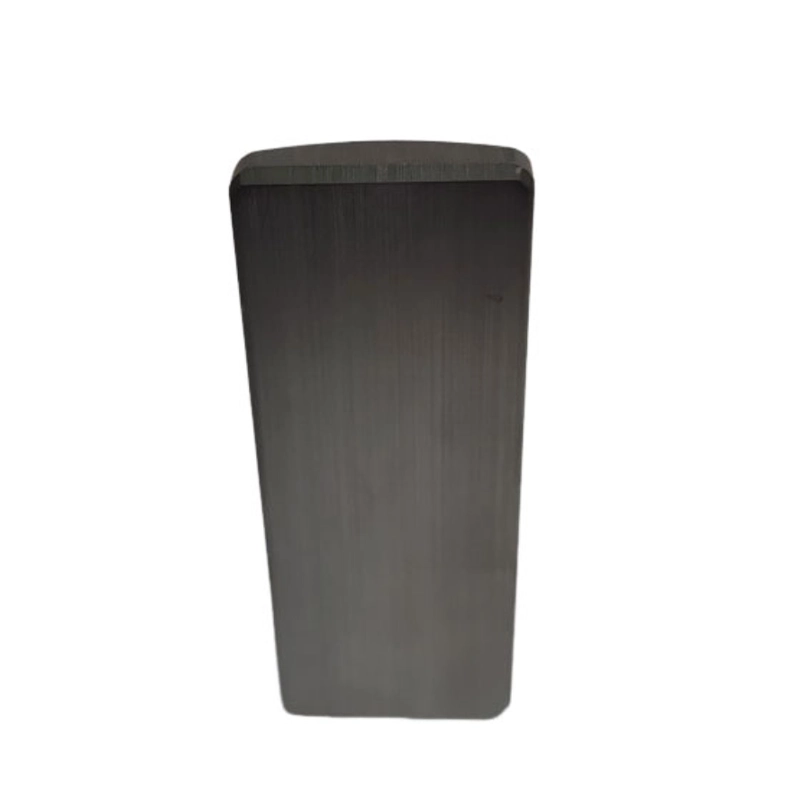
Ferrite magnets are among the most cost-effective permanent magnet materials. They avoid dependence on rare earth elements. For this reason, many refer to them as rare-earth-free magnets. This characteristic holds significance for buyers seeking more predictable pricing and reduced supply chain risk.
Heat Resistance and Corrosion Behavior
Ferrite magnets deliver reliable heat resistance in a wide range of motor applications. With appropriate grades and designs, they function effectively from -40°C to 250°C. Their Curie temperature reaches about 450°C. This level creates a useful safety margin in many warm operating environments.
In numerous cases, they require no elaborate coating or plating. This feature helps simplify production steps and lowers quality risks.
Our ceramic ferrite magnet products appear in automotive permanent magnet motors, energy-saving household appliance motors, industrial control motors, power tools, magnetic transmission systems, fitness equipment, and digital generators.
Ferrite vs Neodymium Magnets
The comparison of ferrite vs neodymium magnets appears frequently in motor design discussions. Neodymium provides considerably higher magnetic strength within a smaller volume. Ferrite, on the other hand, supplies lower cost, greater price predictability, and reduced exposure to rare earth supply risks.
Magnetic Performance and Size
Neodymium magnets have a much higher magnetic energy product than ferrite magnets. They therefore create a stronger magnetic force even in a small area. Engineers often select these magnets when they design compact high-torque motors, lightweight devices, small sensors, and high-power-density magnetic assemblies.
Ferrite magnets offer lower magnetic strength. They typically require additional space. Nevertheless, many industrial products provide enough room for a ferrite-based solution. In these situations, ferrite magnets for motors establish an effective balance between performance and cost.
Cost, Supply Risk, and Service Life
Ferrite magnets generally come at a lower price. They also support more consistent purchasing schedules. Neodymium magnets rely on rare earth materials. Therefore, they remain more vulnerable to fluctuations in raw material prices and shifts in export policies.
Ferrite has good chemical stability along with strong resistance to corrosion. Neodymium magnets can deliver extended service life.
Ferrite vs AlNiCo Magnets
The comparison of ferrite vs AlNiCo magnets becomes relevant when temperature and demagnetization characteristics represent primary concerns. AlNiCo magnets earn recognition for strong high-temperature stability. Ferrite magnets, by comparison, tend to prove simpler to apply in cost-sensitive motor production.
Temperature Resistance
AlNiCo magnets perform effectively in certain high-temperature instruments, measuring devices, sensors, and specialized engineering systems. They fit well when temperature stability forms a central design priority.
Ferrite magnets also supply dependable heat resistance across many industrial applications. They see extensive use in automotive auxiliary motors, household appliance motors, power tools, and generators. When the actual operating temperature remains inside the limits of the chosen ferrite grade, ferrite often emerges as the more practical selection.
Demagnetization Resistance
Ferrite magnets usually show high coercivity and excellent resistance to demagnetization. This feature makes them especially useful in motors that face frequent start-stop cycles, changing loads, and heat buildup. These motors often operate under demanding conditions. As a result, the strong performance of ferrite magnets helps maintain stable operation over time. Their reliable magnetic properties support consistent efficiency even when temperatures rise or loads vary suddenly.
AlNiCo magnets can produce high residual flux. Yet they tend to demagnetize more readily if the magnetic circuit lacks careful engineering. For a large number of motor applications, ferrite delivers a safer combination of cost, coercivity, and production consistency.
Engineering Comparison by Key Factors
Various permanent magnet materials address distinct engineering requirements. Final choices must always rest on grade, working environment, product structure, and results from application testing.
| Factor | Ferrite Magnets | Neodymium Magnets | AlNiCo Magnets |
| Cost | Low and stable | Higher, supply-sensitive | Medium to high |
| Magnetic strength | Medium to low | Very high | Medium |
| Size efficiency | Needs more space | Excellent | Moderate |
| Heat resistance | Good for many motors | Grade-dependent | Very good in selected uses |
| Corrosion resistance | Good | Often needs coating | Generally good |
| Demagnetization resistance | Good coercivity | Strong, grade-dependent | Lower in many designs |
| Supply risk | Lower, rare-earth-free | Higher rare earth exposure | Lower than rare earth magnets |
| Common uses | Motors, appliances, tools, generators | Compact high-power devices | Instruments, sensors, high-temperature systems |
This comparison clarifies why ferrite continues to hold importance. It may not deliver the greatest magnetic strength. Still, it frequently excels in areas of cost, supply stability, corrosion resistance, and overall production value.
Product Selection for Motor and Industrial Applications
Automotive Auxiliary Motors
Modern vehicles incorporate many small and medium motors. These include window lift motors, seat motors, sunroof motors, wiper motors, fans, pumps, and locks. A large share of these systems prioritizes stable performance over peak magnetic strength.
Ferrite magnets suit many automotive auxiliary motor designs effectively. They deliver reliable heat resistance, effective cost control, and solid anti-demagnetization behavior. Our Window Lifter Motor Arc Strontium Ferrite Magnet is designed for automotive motor applications that require stable output and durable magnetic performance.
Household Appliance and BLDC Motors
Air conditioners, fans, washing machines, refrigerators, and vacuum cleaners all depend on dependable motors. These items must manage noise, improve energy efficiency, and stay affordable.
Ferrite magnets often match these applications well. In BLDC fan motors, ferrite arc magnets support stable flux and smooth rotation provided the motor design receives proper alignment. GAUMU MAGNET supplies wet-pressed anisotropic strontium ferrite arc magnets for inverter air conditioner BLDC fan rotor applications.
Power Tools, Fitness Equipment, and Generators
Power tools and fitness equipment encounter vibration, repeated load variations, and extended operating cycles. Ferrite magnets prove beneficial in these settings. They furnish cost-effective performance together with strong resistance to demagnetization when engineers select the appropriate grade.
Fitness equipment and treadmill motors frequently demand vibration control and steady operation. Outdoor generators and charging-related motors may call for grades that maintain stable voltage and consistent power output.
Conclusion
Ferrite, neodymium, and AlNiCo magnets each hold a unique position in engineering applications. Neodymium delivers strong performance in a compact form. AlNiCo works well in certain high-temperature environments. Ferrite offers a practical mix of cost efficiency, thermal stability, corrosion resistance, and reliable supply. In many motors, appliances, power tools, generators, and automotive auxiliary systems, ferrite magnets remain a sensible choice. They meet real production needs without adding unnecessary material risks. A detailed magnetic materials comparison should always start with the exact requirements of the application. When the design allows enough space and emphasizes long-term cost stability, ferrite magnets provide a dependable engineering solution.
FAQs
Q: What is the main point of magnetic materials comparison?
A: Match cost, strength, heat resistance, and service life to the application.
Q: Are ferrite vs neodymium magnets mainly different in strength?
A: Yes. Neodymium is stronger, while ferrite is lower-cost and rare-earth-free.
Q: Are ferrite magnets for motors suitable for high-volume production?
A: Yes. They suit many motor designs with stable cost and reliable performance.
Table of Contents
Recent Posts
Why Arc Ferrite Magnets Are Ideal for Rotational Motors
Ceramic Disc Magnet Manufacturer | Custom Ferrite Magnets
Ferrite Block Magnets Manufacturer | Custom Industrial Motor Magnets
FAQ
What is information we need before quotation for magnet?
2) Size and shape, and magnet tolerances, normally International tolerance is +/-0.1mm
4) Magnetization direction
5) Quantities required.
6) Magnet application