
- 5th November 2026
How Arc Magnets Matter in Automotive Motors
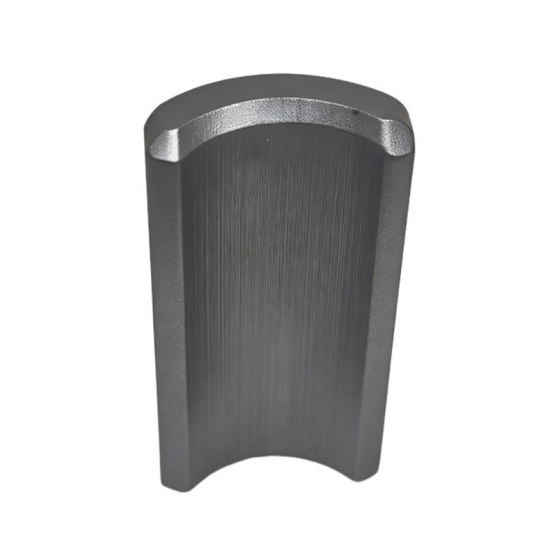
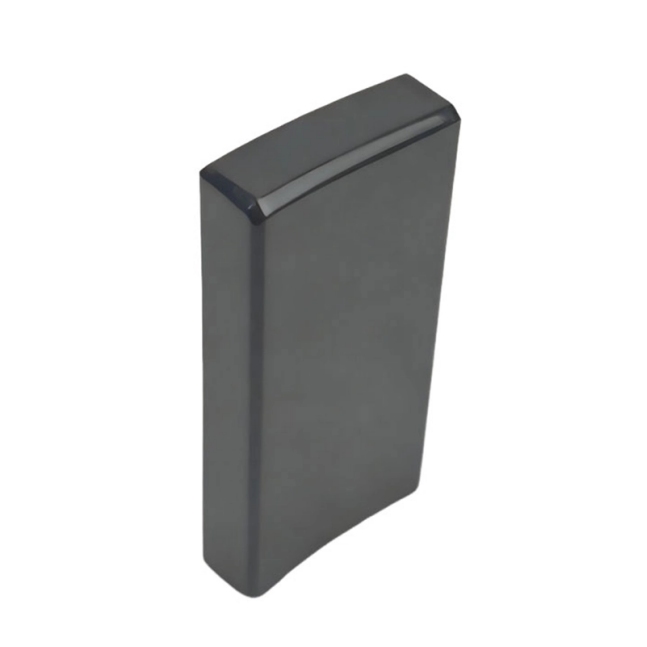
Car motors are shrinking today. Meanwhile, their workloads are expanding. Its example is a power-steering system that needs torque to be immediately available. A coolant pump that runs for hours on end in comparison. And a window motor has to go through thousands of start / stop cycles. In all cases, the rotor magnets determine how effectively electric energy converts to physical motion. Automotive engines use arc magnets because they fit the natural curve of a rotor. This geometry creates a far more stable air-gap field than that presented by an ordinary block magnet. So, this particular geometry works to minimize torque ripple. Its low operating noise and waste currents also come down.
Curved Geometry and the Air Gap
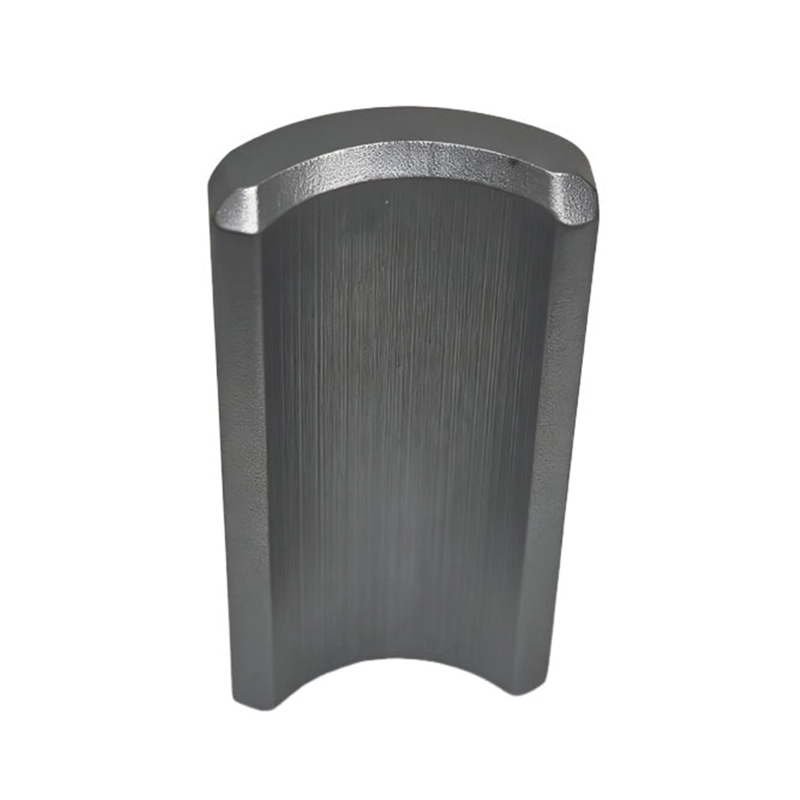
An arc magnet has a surface that sits near the low of the teeth on an inner stator. This translates to an almost permanent air gap. This allows the rotor to spin with an incredibly uniform magnetic field. Engineers precisely tweak the arc length and thickness. They additionally use an adjustment at the finish browser for appropriate contact edge flux. Moreover, a well-chosen pole arc helps influence the back emf. It aids in the design process and it also helps to commutate with less hiccup on the inner side of a brushless DC motor.
We prepare on data right up until October 2023 — and no longer everyone seems to be reminded that within a small automotive motor, every single little bit of misplaced energy manifests in heat. Less ripple results in fewer peaks from vibration. Also, a balanced magnetic field reduces the evolved work of fixing through the inverter. These concepts let you pull out what feels good to the motor and get it executed because your torque target is pretty easy with them. It achieves that with a greater margin from dangerous temperatures.
Material Characteristics Behind Stable Output
Sintered ferrite is the material that primarily drives a lot of automotive arc magnets. It is a ceramic made of iron oxide and strontium or barium compounds. Then during the process of pressing, powder can be aligned by manufacturers. This process creates an anisotropic grade that offers higher magnetic performance in one direction. The finished metal component is extremely strong. It features high electrical resistivity thus providing good attenuation of unwanted eddy currents.
Ceramic ferrite magnets naturally resist rust. They handle wide temperature changes easily without needing any metallic coating. These magnets do possess a lower energy density than rare-earth magnets. However, engineers can often recover the necessary flux. They achieve this by using a slightly larger rotor or designing a better steel back iron. This specific trade-off looks very appealing today. Vehicle manufacturers are currently evaluating rare-earth supply chain risks. They are also worried about price changes and the recycling of materials at the end of a vehicle’s life.
Core Advantages for Automotive Motor Efficiency
The arc geometry truly succeeds when engineers look at the whole system. They must consider the magnetic material, rotor steel, winding layout, and control strategy together. The most practical question remains simple. Which magnet keeps the motor running efficiently, quietly, and stably throughout its entire duty cycle? The following benefits clearly explain why arc designs stay so popular in both auxiliary and traction systems.
Better use of rotor space: A curved piece perfectly follows the steel core. This shape allows for a much larger active magnetic surface area within a strict diameter limit.
Lower torque ripple: A properly tuned pole arc spreads the air-gap flux evenly. This adjustment significantly reduces cogging, unwanted acoustic noise, and physical vibration.
Lower electrical loss: A much smoother magnetic field helps lower the peak phase current. It also cuts down on copper heating during fast acceleration or sudden load shifts.
Thermal resilience: Ferrite grades hold onto their useful coercivity even at high temperatures. This works perfectly as long as the motor design stays within the recommended demagnetization curve.
Corrosion resistance: Ceramic surfaces will never rust like bare steel does. This natural trait makes protection much simpler in damp engine bays or exposed underbody areas.
Supply and cost balance: Rare-earth-free motor magnets rely on very common raw materials. Therefore, they fit perfectly into high-volume production schedules.
Product Classifications and Design Choices
Purchasing departments frequently use "arc magnet" as a general term. However, parts sharing the exact same outside diameter might perform very differently in reality. Proper classification needs to include the specific material, magnetic orientation, pole count, and surface finish. These exact details help a supplier pick the best forming, grinding, and magnetizing methods.
Ferrite, Rare-Earth, and Hybrid Options
Ferrite rotor magnets serve as an excellent choice when a motor has extra physical space. They also make sense if the project prioritizes rust resistance, steady pricing, and good heat tolerance. On the other hand, neodymium materials deliver greater magnetic flux inside a much smaller package. Yet, these strong magnets often require special coatings and strict thermal management. Certain engineering programs actually use a hybrid rotor design. They combine different magnet grades to balance overall torque density against raw material costs.
When you order a ceramic permanent magnet, you must specify several details. These include the exact grade, remanence, coercivity, maximum working temperature, and the accepted irreversible loss limit. Using a larger ferrite segment is often very economical. However, this material is quite brittle. Because of this, it requires generous edge radii and a careful bonding method to prevent tensile stress.
Magnetization, Pole Count, and Pole Arc
Arc magnets can feature axial magnetization or diametrical magnetization. Sometimes, they are organized as a complex multipole ring. The right choice depends heavily on the rotor stack design. It also relies on the Hall-sensor placement and the specific inverter algorithm. The pole pitch and the pole arc ratio directly affect the average torque. They also impact torque ripple and back-EMF harmonics. Engineers must define these elements clearly on the technical drawing instead of discussing them later during sample testing.
Surface grinding, edge chamfers, and matched magnet sets are incredibly important too. Even a tiny variation in magnet thickness can alter the air gap. This flaw will quickly unbalance the spinning rotor. For high-speed motor assemblies, always check the part mass and the adhesive thickness. You must also verify the exact position of every north and south pole prior to the final balancing stage.
Main Automotive and Adjacent Industry Applications
These same magnetic design choices show up across many different vehicle subsystems. Every single system features a unique duty cycle, temperature profile, and physical space limit. Therefore, the best arc magnet is always specific to its application. The push for vehicle electrification, quieter passenger cabins, and reduced energy consumption is strong today. This trend forces engineers to study these magnetic details much earlier in the design process.
Electric power steering: Arc segments help provide very smooth steering assist torque. At the same time, they keep the steering motor small and highly responsive.
Electric coolant and oil pumps: Stable ferrite rotor magnets easily handle non-stop operation. They also survive frequent speed adjustments and extremely hot under-hood environments.
HVAC blowers and seat fans: A carefully controlled pole arc cuts down annoying tonal noise. This is a major comfort factor inside very quiet electric cars.
Window, seat, wiper, and sunroof motors: Affordable ceramic parts manage constant starting and stopping actions perfectly. They do this while carrying almost no risk of rust.
Small traction and actuator motors: Whenever the package size allows it, rare-earth-free motor magnets are ideal. They greatly reduce risks tied to global supply chains.
Industrial and fitness equipment: Similar arc or round components show up in industrial generators and compressors. You will also find them in a treadmill magnet assembly. In these cases, a long service life and strict cost control are highly valued.
Our product range includes ceramic ferrite magnets, ferrite cylinder magnets, and various other permanent-magnet shapes. We can easily adapt these items to fit your specific duties. Here at GAUMU MAGNET, we always study your magnetic circuit first. We also check the exact operating temperature before we recommend any magnet grade. We never just pick a shape blindly.
Materials Around the Magnet: C2680 and Copper Alloys
An automotive motor acts as a complex system of interacting materials. The magnet might sit right next to a metal clip, a terminal, or a busbar. It could also rest near a heat spreader or a sensor bracket. All these surrounding parts affect physical clearances, heat flow, and the required assembly force. Builders choose copper alloy strips strictly for their electrical paths and spring qualities. They do not use them for magnetic purposes.
The C2680 brass strip is highly prized for its great formability and ductility. It also offers excellent drawing performance, plating response, and rust resistance. Sometimes, engineers need to compare material C2680 against a totally different grade. When doing this, they must clearly state the temper, thickness, and bend radius. They should also list the conductivity, joining method, and desired surface finish. A high performance alloy strip might be a better choice for tougher jobs. This is true when physical strength, stress relaxation, or extreme heat resistance are critical factors. You can visit our metallic materials page for more details. It supports a deeper conversation about combining magnetic and conductive components.
A Practical Specification Route for Buyers
Providing clear technical inputs will drastically shorten your sampling time. It also makes all production tests much more meaningful. A truly useful request connects the flat drawing to the actual working motor. This means sharing data on the air gap, steel grade, and winding current. It also includes motor speed, temperature limits, and the control method. This information matters a lot when a ferrite part replaces a smaller high-energy magnet. It is equally vital when a pole arc gets modified just to reduce running noise.
Please include the following items in your technical package:
Rotor and magnet dimensions in mm. Please include strict tolerances for the inner arc and the end faces.
The specific material grade, magnetic direction, and total pole count. Also, provide the pole arc ratio and the final acceptance flux value.
The normal working temperature and the short-term peak temperature. Do not forget to include the absolute demagnetization limit.
Details about the adhesive, sleeve type, and the main retaining method. We also need your balancing requirements and the rule for allowable edge chips.
Your needed sample quantity and the expected annual volume. Finally, list the inspection fixture details and the test points located at the actual air gap.
At GAUMU MAGNET, our team can review your drawing or physical sample quickly. We will then suggest a very practical manufacturing process window. Furthermore, we will align our factory inspection method directly with your final motor test. Please use our contact page to share your part geometry, duty cycle, and target production quantity.
A standard gaumu workflow involves the drawing, the sample, the test, and the feedback loop. This clear process keeps all engineering decisions visible. It protects your project from the very first prototype all the way through to stable mass production.
Conclusion
In summary, arc magnets greatly improve automotive motor efficiency. They do this by perfectly matching the curved path of the rotor. This creates a much more even air-gap field. Choosing the right pole arc can effectively reduce torque ripple, acoustic noise, and peak electrical current. Meanwhile, the natural electrical resistance, corrosion resistance, and heat capability of ferrite ensure very reliable service over time. However, product selection still requires deep care. You must review the material grade, magnetization style, and pole count. You also need to look at the air gap, adhesive type, and temperature limits as one complete system. The market for electric vehicles, compact pumps, and quiet cabin systems is expanding rapidly today. Because of this, rare-earth-free motor magnets offer a highly useful alternative. This is especially true wherever physical space allows for a larger ceramic part. GAUMU MAGNET actively works with customers on ceramic ferrite magnets and ferrite cylinder magnets. We also assist with nearby copper alloy components. We do this so your complete motor design can move smoothly from a simple drawing to highly repeatable production.
FAQs
Q: What does a pole arc change in an automotive motor?
A: Changing the pole arc directly alters the air-gap flux and the torque ripple. It also impacts the back-EMF shape, running noise, and the peak electrical current.
Q: Can ceramic ferrite magnets work in hot automotive motors?
A: Yes, they absolutely can. You just need to select a specific grade designed for your full temperature range. These materials often handle heat up to 180°C or even 250°C safely.
Q: What information is needed for arc magnets for automotive motors?
A: You should provide all dimensions in mm. Also, include the pole count, magnetization type, and expected working temperature. Finally, share your preferred test method and the estimated annual production quantity.
Table of Contents
Recent Posts
How Are Large and Small Arc Magnets Used in Different Applications?
How Arc Magnets Improve the Efficiency of Automotive Motor Systems
Ferrite Cylinder & Round Magnets: Application in Electronic Devices
FAQ
What is information we need before quotation for magnet?
2) Size and shape, and magnet tolerances, normally International tolerance is +/-0.1mm
4) Magnetization direction
5) Quantities required.
6) Magnet application