
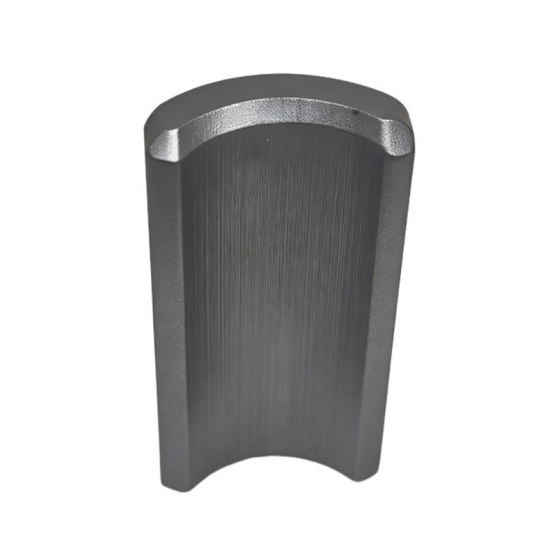
How Arc Magnets Improve the Efficiency of Automotive Motor Systems
5th November 2026
Explore how arc magnet design and material selection affect automotive motor efficiency, and what to check when sourcing custom ferrite magnets.
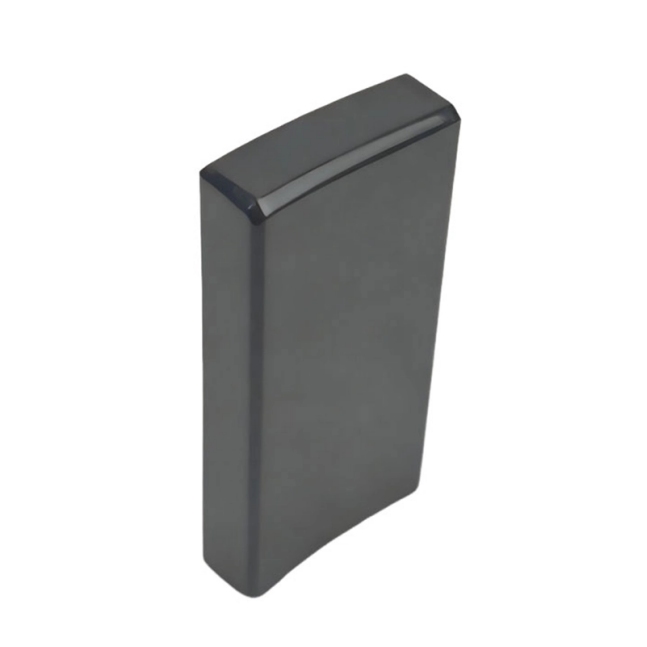
Ferrite Cylinder & Round Magnets: Application in Electronic Devices
30th October 2026
Ferrite Cylinder & Round Magnets: Application in Electronic Devices
Within a speaker, a tiny motor, a position sensor, or a daily household appliance, a small magnet frequently does jobs that people easily miss. Ferrite cylinder magnets stay highly practical. This is because they deliver a steady magnetic field at a very reasonable cost. Furthermore, they fight off corrosion effectively. They also handle elevated heat quite well.
However, shape by itself never determines overall performance. An engineer needs to look at the grade, the magnetic direction, and the air gap. The working temperature and the chosen assembly method matter just as much. This helpful guide shows exactly where round and cylindrical ferrite parts belong. It also points out vital details to verify before manufacturing begins.
What Makes Ferrite a Useful Material?
Permanent ferrite serves as a solid ceramic material. It is built mostly out of iron oxide blended with specific strontium or barium compounds. Workers mill, press, sinter, and finally grind this raw mixture. This exact process builds a very hard and stable magnet. It differs completely from the soft ferrite found inside EMI suppression cores.
Material Character and Magnetic Behavior
The completed magnet turns out electrically resistive, extremely hard, and quite brittle. This high electrical resistivity actively stops eddy-current loss near shifting magnetic fields. Ferrite features strong coercivity too. Therefore, a proper grade easily fights off demagnetization inside moving motors and active sensors. On the downside, the material never bends. It might easily chip if something hits it hard.
A standard ferrite grade supplies less total magnetic energy compared to a rare-earth magnet. Sometimes, the physical space allows for bigger components. In those cases, a larger ferrite piece easily gives the needed field strength. It does this at a much lower and highly predictable material cost.
Core Advantages and Practical Limits
The most powerful magnet rarely acts as the smartest choice automatically. A truly balanced design thinks about operating temperature and expected lifetime. It also weighs supply conditions and daily assembly risks. Engineers frequently pick Ceramic ferrite magnets for several clear reasons:
Strong natural resistance against rust. This usually happens without any extra protective coating.
Solid and useful performance across a very wide range of working temperatures.
A highly steady supply chain. This relies entirely on extremely common raw materials.
Very low electrical conductivity. This directly results in minimal eddy-current heating.
Highly competitive pricing. This proves ideal for medium-volume and high-volume factory production.
Ferrite definitely holds a lower remanence than rare-earth materials. It also stays quite vulnerable to sudden cracking. You should avoid tight press fits. Those fits build up dangerous tensile stress. Instead, try using simple adhesive bonding or a basic retaining cup. A molded plastic carrier also works nicely. These gentler methods protect the magnet much better.
Main Types of Cylinder and Round Ferrite Magnets
Round ferrite parts might look identical on the outside. However, their hidden field patterns and daily mechanical roles often differ heavily. Picking the correct category helps your suppliers. It lets them select the best forming and magnetizing processes. You must define the exact geometry before you request a price quote. Also, clarify the magnetization direction and the working air gap. Point out every bonded or ground surface clearly. Finally, identify all the critical inspection points for quality control.
Solid Cylinders, Discs, and Rings
A cylinder measures longer compared to its outer diameter. Meanwhile, a disc stays quite thin and entirely flat. Cylinders fit perfectly into mechanical plungers, tiny sensors, and spinning rotary parts. Discs show up frequently inside audio speakers and loud buzzers. You also find them in magnetic door catches and basic holding systems.
Ring magnets feature a helpful center bore. This open hole makes room for a metal shaft, a tight fastener, or a clear airflow path. It can also shape the magnetic circuit. These rings appear constantly in large loudspeakers, fluid pumps, and motor rotors. They also sit inside many sensing assemblies. Buyers sometimes ask for straight bars, solid blocks, or curved arc segments too. The GAUMU MAGNET product range gives you a great starting point. You can easily compare all these different forms there.
Isotropic, Anisotropic, and Magnetization Choices
Isotropic ferrite takes on magnetization in many different directions after the initial forming. However, its overall magnetic output stays fairly low. Anisotropic material gets perfectly aligned right during the factory production. This careful alignment delivers a much stronger magnetic field along one specific chosen direction.
Axial magnetization puts the magnetic poles directly on the flat circular ends. Diametric magnetization positions those poles on the opposite curved sides instead. Rings frequently utilize radial or complex multipole patterns. Inside a segmented motor, the specific pole arc changes things significantly. It alters the torque ripple, the back-EMF shape, the running noise, and the total usable flux. You must state the exact pole count and the pole arc very clearly on your engineering drawing.
Why Electronic Designers Continue to Choose Ferrite
Energy-efficient motors and much quieter home appliances constantly shape modern device design. Smart connected sensors and raw material risks play huge roles too. Global manufacturers watch the highly concentrated rare-earth supply chains very closely. The IEA’s Global Critical Minerals Outlook 2025 talks about this ongoing concentration. It highlights the tight control over critical-mineral refining. This situation sparks fresh interest in rare-earth-free magnetic designs. Engineers explore these options whenever the physical size and the torque targets permit.
Ferrite definitely cannot replace a premium high-energy magnet inside every single compact drive. Yet, it successfully lowers a company’s exposure to crazy rare-earth price swings. Modern electronics offer much better motor control today. Advanced magnetic-circuit simulation software and clever rotor geometry help immensely. These tools allow smart engineers to pull more usable output from a basic ceramic permanent magnet.
Thermal management remains a highly active engineering topic. Modern electronics grow denser and run hotter every year. Meanwhile, cooling fans, liquid pumps, mechanical actuators, and audio speakers still require deeply dependable magnetic parts. Ferrite handles elevated heat extremely well. Even so, careful designers must always check the specific demagnetization curve. They need to review it at the absolute coldest and the very hottest expected service points.
Applications Across Major Industries
Ferrite cylinder and simple round magnets support both physical motion and electronic sensing. Their remarkably low cost looks very attractive to buyers. However, a highly repeatable field strength matters immensely. The physical fit and the exact magnetic orientation carry just as much weight on a busy assembly line.
Audio and consumer electronics: Standard disc and ring magnets build the necessary static field. They work hard inside audio speakers, loud buzzers, tiny microphones, and safety alarms. A highly stable geometry keeps the vital voice-coil gap perfectly clear.
Small motors and cooling systems: Solid cylinders, open rings, and curved segments work tirelessly. You find them in cooling fans, fluid pumps, kitchen appliances, and rugged power tools. For modern BLDC designs, the chosen grade and the specific pole pattern must align perfectly. They have to match the spinning rotor and the electronic controller.
Automotive electronics: Tough ferrite magnets appear constantly inside car doors. They power the window, seat, sunroof, and windshield wiper motors. You also see them in cabin ventilation and fluid-control pumps. They survive easily through countless repeated starts, sudden stops, and harsh temperature cycles.
Sensors and controls: A basic round magnet quickly triggers a nearby Hall sensor. It can also activate a simple reed switch. This happens inside a lid detector, a fluid level gauge, a pipe flow meter, or a rotary encoder. The actual field strength at the real sensing distance matters the most. It proves far more important than the basic surface flux reading alone.
Industrial and fitness equipment: Running treadmills, electrical generators, and complex magnetic transmissions rely heavily on these parts. Factory control motors also use solid ferrite. Engineers choose it whenever extreme durability and a strictly controlled cost matter the most. This holds especially true across very long factory production runs.
At GAUMU MAGNET, we actively manufacture reliable permanent ferrite materials. We gladly support detailed custom work. This customized support depends entirely on the chemical composition and the required magnetic properties. It also covers the specific shape and the final size. Our robust products serve complex automotive systems and daily household appliances. They support heavy power tools, vital industrial controls, gym fitness equipment, and large generators. We also take time to carefully review any nearby metal parts. We treat them as a crucial part of the total assembly.
Selecting a Magnet for an Electronic Device
Smart material sourcing always starts with the actual operating condition. It never begins with just a generic grade name. Two separate magnets might share the exact same outer dimensions. Yet, they may act completely differently in the real world. This happens after you change the magnetic orientation or the working air gap. A different steel housing or a shifted temperature changes the results too. A truly concise technical request needs to include several things:
A fully dimensioned engineering drawing. It must show all tolerances and mark the critical ground surfaces.
The specific magnetic grade. Otherwise, provide clear target values for the expected remanence, the coercivity, and the maximum energy product.
The exact magnetization direction and the total pole count. You must also explain the planned field acceptance method.
The absolute working limits and the safe storage temperature limits.
Details about the mating materials and the chosen chemical adhesive. Include any coating expectations and the maximum physical assembly load.
The expected annual order quantity and the required sample quantity. Do not forget to list your specific packaging needs.
Always ask exactly how the factory will measure the final magnetic performance. A simple surface reading helps nicely with basic process checks. However, it might not accurately predict the real performance inside a spinning motor or a sensitive sensor. A testing fixture that represents the actual working air gap works much better. It frequently provides far superior acceptance data. Furthermore, chipped edges and loose magnetic dust cause real problems. They can negatively affect the adhesive bonding and ruin the delicate rotor balance.
For special custom work, our dedicated team at GAUMU MAGNET can assess your technical drawings. We can also evaluate your physical samples. We do this long before the final grade and the exact process details get permanently fixed. The primary aim is to perfectly match the required magnetic field. We want to achieve this without using any unnecessary extra material or creating overly fragile dimensions. Interested buyers can easily use the contact page to share your exact dimensions and the required magnetic direction. Please include your expected quantity and your preferred test method.
Magnets and Conductive Alloys in the Same Assembly
A modern electronic device rarely depends entirely on a single magnet alone. It typically needs metal terminals, bouncy spring contacts, and protective EMI shields. It might also require solid frames or special heat-carrying metal parts. Therefore, copper alloy strips absolutely belong in the broader material discussion. This remains true even though their specific role stays purely electrical or strictly mechanical.
For a great example, a c2680 brass strip offers extremely good formability and excellent ductility. It also delivers wonderful drawing performance and easy weldability. It shows a fantastic plating response and strong natural corrosion resistance. Manufacturers use material c2680 constantly inside consumer electronics and home appliances. It appears in critical communications hardware and vehicle radiator tubes. You might want to compare c2680 material with another different metal alloy. When you do, clearly state the required temper and the exact metal thickness. Also, mention the needed bend radius, the electrical conductivity, the planned joining method, and the final surface finish.
Several other copper alloy strips suit demanding spring contacts or complex lead frames perfectly. Meanwhile, a truly high performance alloy strip can easily meet much greater physical strength requirements. It handles extreme heat-resistance or tough stress-relaxation needs beautifully. GAUMU MAGNET proudly supplies premium metallic materials right alongside our core magnetic products. This convenient setup greatly simplifies any technical discussion. It makes talking about compatible materials and factory processing much easier.
Conclusion
Ferrite cylinder magnets remain highly relevant today. They effectively answer a very real engineering need. They deliver deeply dependable permanent magnetism. They do this without the scary rare-earth cost or the dangerous supply chain exposure. Their natural corrosion resistance and high electrical resistivity help immensely. Their broad temperature capability and wide range of available round forms fit many jobs. They suit audio speakers, electric motors, sensitive sensors, and fluid pumps perfectly. They also work in home appliances, automotive auxiliaries, and heavy industrial controls. Ultimate success still depends entirely on the tiny details. You must carefully choose the magnetic grade against the full expected temperature range. Clearly define the axial, diametric, radial, or complex multipole magnetization. Always test the resulting field inside a truly representative magnetic circuit. Treat the hard material exactly like a brittle ceramic during the final bonding and assembly stages. Finally, review all the nearby conductive metal parts carefully. This includes C2680 brass and various other copper alloys. Treat them as a vital part of the complete electronic device. A very clear engineering drawing helps everyone. A smart application-based test plan also makes a huge difference. Together, they make the long path from the first sample to stable mass production much shorter.
FAQs
Q: What is the typical maximum operating temperature of ferrite cylinder magnets?
A: Certain special grades easily reach up to 250°C. However, the officially approved temperature limit must closely follow the specific grade and the exact magnetic circuit design.
Q: Are round ferrite magnets suitable for outdoor electronic devices?
A: Yes, they certainly are. Their natural corrosion resistance remains quite good. Even so, the complete physical assembly still needs proper external moisture protection.
Q: What information is needed for a custom ferrite magnet quote?
A: You need to provide the exact dimensions in mm. Also, share the requested grade, the magnetization direction, and the working temperature. Include your preferred test method, the total quantity in pieces, and the final intended application.
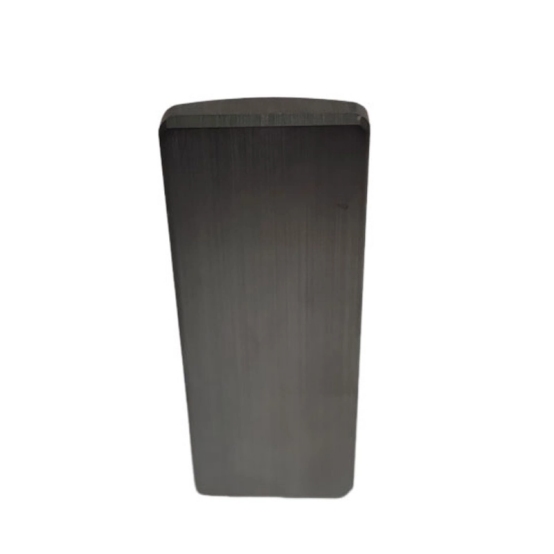
Rectangular & Square Ceramic Magnets: Design and Industrial Application
23rd October 2026
Rectangular & Square Ceramic Magnets: Design and Industrial Application
Ceramic magnets with rectangular or square shapes are commonly found in applications like motors, sensors, speakers and large machinery. They have flat faces and straight edges which allows for easy installation into housings and other magnetic assemblies. Ferrite is the typical material used for these types of magnets as it is non corroding and cost effective. These magnets are large enough to provide good value when there is enough room in the design.
Although the magnetic strength of these parts is lower than that of many rare-earth materials, this is not necessarily a ‘defect’ that needs to be avoided at all costs. The choice of part will depend on a number of factors including the magnetic circuit configuration and the operating temperature. Other critical parameters such as the air gap and power output required are also increasingly important. The growth of electrification across road vehicles, domestic appliances and industrial machinery is becoming increasingly apparent. The selection of materials must now consider issues of availability and potential supply chain problems as well as traditional performance issues.
What Makes Ceramic Ferrite Magnets Different?
“Ceramic” describes how a factory could make a material, and “ferrite” describes the magnetic properties of the material. So, in addition to the shape of rectangular and square parts, the description of a part also needs to include the grade of a magnet and its magnetization direction. The dimensions and the way the part will be assembled also have a large influence on the magnetic field that the part will produce in its final application.
Material and manufacturing
The ceramic ferrite magnets are mostly made by manufacturers mixing iron oxide with strontium or barium compounds. First, the raw material is ground into a fine powder. Then the powder is pressed into the desired form. The ferrite magnet is then sintered at high temperature using a production line. The sintered magnets are then polished and grinded to exact size and surface quality in the factory.
Our last magnet is hard but rather brittle. By its very nature this magnet will resist simple rust and corrosion, so it doesn’t need to be covered in thick metallic coatings as many other magnets are. This magnet will break or chip easily though, if hit for example, or subjected to uneven pressure. It must also be installed correctly and provided with suitable physical support. The designers must take account of the physical limits of this magnet when deciding upon methods of assembly and the corresponding size tolerances.
Magnetic behavior in service
While Ferrite holds less magnetic energy than most Rare Earth magnets, the volume of a Ferrite magnet required to achieve the same amount of power as a Rare Earth magnet can be larger. Also, a smaller air gap is required in the magnetic circuit. Ferrite is strong against demagnetization and runs well in many everyday applications. Ferrite offers a cost effective and durable solution.
The heat limit of a magnet depends on the specific grade and on the whole assembly. In addition to the glue, nearby steel parts, mechanical stress and the operational cycles of the motor also have to be taken into account when designing motor applications. The temperature curve of the magnet has to be tested on the assembly under real load. Do not rely solely on the material group of your magnet.
Shapes, Magnetization, and Design Choices
Within the ferrite block category, rectangular and square magnets are commonly supplied. In terms of physical shape, these can be easily placed in a repeatable fashion. However, a magnet’s magnetic performance is defined by more than simply its shape. Before selecting a part, consideration must be given to how the poles of the magnet will face the circuit, as well as where the magnet will be sitting in relation to the nearest coil, rotor, sensor or target.
Square blocks and rectangular blocks
The faces of square magnets are of equal size. These types of magnets are often very useful in projects that require a small, even area. Rectangular magnets have longer faces when viewed along one axis. These are very good for use in long, straight configurations or in very tight housings. In addition, they can be used to create very specific magnetic paths in assemblies.
Both shapes can be axially magnetized through the wide faces. They can also be magnetized in different directions, to suit a particular application. It’s always wise to check the correct orientation using a drawing or test sample. A magnet may look the right size and shape to your physical drawings but, be wrong, with the wrong pole orientation, for producing the correct magnetic field.
Related ferrite forms
Different shapes of permanent magnets like disc, ring, cylinder, arc and block have different mechanical and magnetic applications. A ring or disc of magnets is easily placed inside a round part. An arc of a curve of a magnet can be used to smoothly wrap around a motor rotor. In these applications the pole arc and the magnetization of the magnets determine how the magnetic field develops in the air gap under study.
If a project involves a flat magnetic circuit, rectangular ceramic magnets often serve as an ideal starting point. For spinning systems, a designer might require an arc or another custom shape instead. GAUMU MAGNET provides a wide ceramic ferrite magnet range for motor and industrial applications. Because of this variety, buyers can easily compare different shapes against their actual assembly needs. They do not have to pick a product simply by its name.
Where Industrial Teams Use Them
The exact same ferrite material shows up in many different types of equipment. This happens because the system’s layout changes the actual job the magnet does. Some pieces hold or guide metal components. Other parts help a sensor track movement or boost torque inside a motor. Ultimately, the end application dictates the required grade, shape, and assembly details.
Motors, appliances, and automation
Engineers frequently put rectangular and square ferrite blocks into motor assemblies. They do this when a steady magnetic field and low material costs are top priorities. Factories also use similar ferrite designs in home appliances, liquid pumps, power tools, cooling fans, and automated factory machines. Motor designers have to look closely at the air gap and rotor geometry. They must also plan for heat, running speed, and the dangers of heavy vibration or loud noise.
Modern industries care deeply about electrification and smart energy use. This focus brings heavy attention to motor efficiency and reliable supply chains. Ferrite acts as a great rare-earth-free choice if the product has enough space for the needed magnet size. However, it cannot directly replace rare-earth magnets in every single motor. Overall performance relies entirely on the complete electromagnetic design. GAUMU MAGNET supplies durable ferrite parts for automotive motor applications and BLDC motor applications.
Sensors, speakers, and industrial equipment
Inside sensors and switches, a tiny block magnet easily triggers a reed switch. It can also supply a magnetic field to track position and speed. Speakers and similar audio devices rely on magnetic assemblies to push a diaphragm or voice coil. In all these cases, part consistency remains incredibly important. Any slight change in dimensions or magnetization strength will alter the final signal or sound output.
Heavy industrial systems often place ferrite blocks into magnetic fixtures, metal separators, couplings, and control panels. A solid design always starts by defining the main operating task. Is the magnet supposed to hold objects, sense motion, flip a switch, or drive a motor? Answering this question helps narrow down the correct shape and field direction long before buyers request a price quote.
Fitness equipment and outdoor systems
Motor-driven items like treadmills, lawn care tools, and outdoor machines face tough conditions. They must survive frequent starts, heavy vibration, and shifting weight loads. A treadmill magnet often goes into the main motor or a small sensing unit. Still, the required shape and material grade depend entirely on the specific machine’s design. GAUMU MAGNET details many ferrite solutions for fitness equipment and treadmill motors.
Selecting a Supplier and Specifying the Part
A productive talk with a supplier begins with deep application details. It should not stop at just the magnet size. Buyers must provide a technical drawing or a physical sample. They should also share the expected operating environment. When a team compares a ferrite magnet supplier, they must ask important questions. They need to know how the suggested grade and magnetization direction match the assembly’s air gap, heat levels, and mechanical supports.
Before requesting a quote, prepare:
Shape, length, width, thickness, and dimensional tolerances
Magnetization direction or multipole pattern
Operating temperature, load, and expected service conditions
Assembly method, housing material, and air gap
Target quantity, inspection needs, and delivery schedule
Metal components frequently sit next to magnets in a built assembly. However, they remain totally separate materials with very different jobs. For instance, builders might use C2680 brass strip or other copper alloy strips for electrical terminals, contacts, or structural frames. These metals work well when their unique traits fit the project. They are absolutely not ingredients inside a ceramic ferrite magnet. GAUMU MAGNET also offers brass strip and similar metallic materials. Customers should specify material C2680 or a high performance alloy strip only if the technical drawing and the end application truly demand it.
Engineers often search for “gaumu” ferrite components online. After finding them, the best next step involves sharing the drawing and operating conditions directly with GAUMU MAGNET. From there, our team can discuss the options. We will determine whether a square block, a rectangular magnet, or another unique ferrite form perfectly fits the planned assembly.
Conclusion
Rectangular and square ceramic magnets stay highly relevant across motors, sensors, speakers, home appliances, and heavy industrial equipment. They offer great corrosion resistance and steady magnetic behavior. Furthermore, their low cost makes them a fantastic choice if a design can handle ferrite’s lower magnetic energy. The physical shape is merely one piece of the puzzle. The material grade, pole direction, air gap, heat levels, and physical support all change the final performance. Today, manufacturers focus heavily on electrification, motor efficiency, and strong supply chains. In this environment, ferrite gives engineers a reliable material path to explore. It is not a magic replacement for every other magnet type. GAUMU MAGNET actively partners with customers to match specific ferrite shapes to actual assembly requirements. We always use detailed drawings and operating facts to guide every technical conversation.
FAQs
Q: What are rectangular ceramic magnets used for?
A: Builders place them inside motors, sensors, speakers, electrical switches, and heavy industrial magnetic assemblies.
Q: Are square ceramic magnets resistant to corrosion?
A: Yes. Ferrite naturally fights off rust and corrosion. However, the full finished assembly might still require extra environmental protection.
Q: How do I select rectangular ceramic magnets?
A: You must compare the material grade, exact dimensions, and magnetization direction. You should also evaluate the working temperature, air gap size, and planned assembly method.
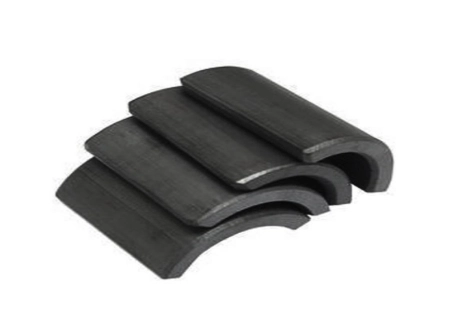
Where Are Ferrite Bar Magnets Commonly Used in Industrial Equipment?
15th October 2026
Discover where ferrite bar magnets are used in industrial equipment, including separators, sensors, motors and holding fixtures. GAUMU MAGNET offers custom sizes, shapes, magnetic properties and magnetization directions for OEM applications.
Why Arc Ferrite Magnets Are Ideal for Rotational Motors
9th October 2026
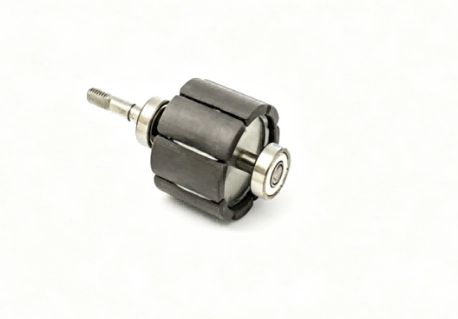
Source custom arc ferrite magnets for BLDC, automotive, fan and industrial motors. GAUMU MAGNET offers multiple grades, custom dimensions, certified quality and reliable batch consistency.
Ceramic Disc Magnet Manufacturer | Custom Ferrite Magnets
2nd October 2026
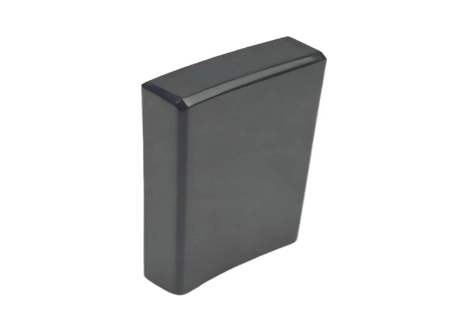
Source custom ceramic disc magnets for motors, sensors and industrial applications. GAUMU MAGNET offers ferrite disc, cylinder and arc magnets with custom sizes, stable performance and reliable production.