
- 4th September 2026
Ferrite cylinder and round magnets may look simple, but they do a quiet and important job inside many electronic devices. They help hold position, guide motion, read speed, and support steady magnetic response in compact spaces. In a market where products are getting smaller, quieter, and more power conscious, this kind of magnet has real value. At GAUMU MAGNET, we work with ferrite materials that fit practical electronic and motor designs, not just lab data.
Why Ferrite Cylinder and Round Magnets Fit Electronic Devices
Electronic devices need magnets that are stable, affordable, and easy to build into repeatable designs. Cylinder and round ferrite magnets fit that need well because their shape supports clean magnetic symmetry, simple assembly, and reliable batch production. They are often chosen when the device needs a steady field rather than extreme magnetic force.
Shape matters more than many buyers think
A round or cylindrical form gives the magnet a balanced field pattern. That can help in sensors, small motors, audio parts, meters, and control units. In tight device housings, this shape also makes placement easier. It can reduce the risk of uneven pull, which helps the final product run more smoothly.
Ferrite keeps performance practical
Ferrite is a ceramic magnetic material made mainly from iron oxide and strontium or barium compounds. It is known for good heat resistance, corrosion resistance, and cost control. For electronics makers, that means a magnet that can stay useful in mass production without adding unnecessary risk or expense.
For a closer product view, our ceramic ferrite magnet range shows how GAUMU MAGNET supports motor and electronic applications with practical ferrite solutions.
Material Traits That Support Daily Use
A magnet inside an electronic device must do more than create flux. It must keep its shape, hold its properties, and fit the product life cycle. That is why ferrite remains popular in consumer and industrial electronics. It is not the strongest material on paper, but it often gives the best balance of price, stability, and working life.
Heat and corrosion resistance
Many electronic devices face warm environments, vibration, or occasional moisture. Ferrite handles those conditions well. It does not rust like many metal parts, and it can tolerate medium to high temperatures in the right design. That makes it useful in appliances, sensors, small motors, and outdoor electrical units.
Stable mass production
Ferrite magnets can be made in steady quantities with consistent size and performance. This matters for device makers who need repeatable output. A small change in magnet geometry can affect torque, signal strength, or noise. Good control over the magnet helps the whole device stay reliable.
Cost and supply balance
Recent industry attention has shifted toward supply security and material risk. Many companies now want solutions that do not depend too heavily on scarce inputs. Ferrite supports that direction. It gives engineers a rare-earth-free path for many devices where compactness is useful, but not the only goal.
Product Types and Selection
Ferrite cylinder and round magnets are part of a wider product family. The right choice depends on where the magnet sits, what it drives, and how the electronic device uses the field. A good match can improve signal quality, reduce noise, and make assembly simpler.
Common forms
- Cylinder magnets for sensors, small motors, and holding parts
- Round disc magnets for compact electronics and control systems
- Ring magnets for rotating parts and magnetic reading systems
- Custom pole arc magnets for motor and sensor designs
- Multipole round magnets for Hall sensing and motion reading
Pole arc and magnetization direction
In electronic devices, pole arc can affect how the field reaches the working part. A stronger or wider arc may suit one design, while a tighter field works better in another. Magnetization direction matters just as much. Axial, radial, and multipole layouts each support different device goals.
If you want to see how this works in a sensing context, our multipole ferrite magnets for Hall sensor applications page is a useful reference.
How GAUMU MAGNET approaches selection
The gaumu approach at GAUMU MAGNET is simple: match the magnet to the device, not the other way around. We look at size, grade, tolerance, magnetization, and final use before recommending a shape. That is especially important in compact electronics, where a small design choice can affect the whole product.
Main Application Industries
Ferrite cylinder and round magnets appear in many electronic and electromechanical products. They are especially useful where a device needs repeatable performance, stable cost, and long service life. In that sense, they are not niche parts. They are basic building blocks in many product lines.
Hall sensors, encoders, and position reading
Round and cylindrical ferrite magnets are often used in Hall sensor systems. They help detect speed, angle, position, and rotation. In washing machines, BLDC drives, automotive fans, and smart home controls, this function is critical. The magnet must be steady enough to give a clean reading, but not so strong that it adds noise or instability.
Small motors and appliance control
Many small motors inside electronics use ferrite magnets because the design is compact and cost sensitive. This includes fans, pumps, simple drives, and appliance parts. The magnet shape helps keep the motor balanced and predictable. That is one reason ferrite still has a strong place in modern consumer electronics.
Audio, meters, and control devices
Round ferrite magnets are also useful in speakers, meters, and control modules. In these products, the magnet helps the device respond cleanly and consistently. For speakers, the focus is on smooth motion. For meters and control devices, the focus is on readable movement and stable operation.
Broader system use
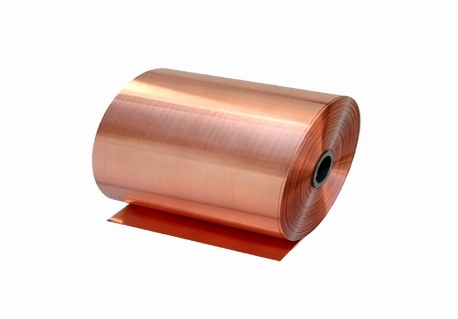
Ferrite magnets are not used alone. They often sit inside a larger magnetic assembly with metal supports, terminals, and structural parts. In related builds, brass strip can help with conductive or structural parts, while a high-performance alloy strip may be used in nearby components. GAUMU MAGNET also supplies brass C2680 and C7025 material for projects that need matching metal parts.
Current Industry Direction
Electronic products are moving toward smaller size, lower energy use, and cleaner supply planning. That trend is changing how engineers choose magnets. They now look beyond force alone. They want stable temperature behavior, clean mass production, and materials that fit the full product life cycle.
Energy use and compact design
More devices now run with tighter power budgets. That is true in appliances, portable systems, and motor-driven electronics. Ferrite supports this shift because it can deliver a useful magnetic field without a heavy cost burden. It works well when the design has enough room to use shape and geometry wisely.
Permanent magnet synchronous generators and related systems
The same material logic also appears in permanent magnet synchronous generators and other rotating systems. When designers balance field strength, pole count, and geometry, ferrite can play a useful role. That is one reason ferrite remains important not only in devices, but also in broader motor and generator design.
Why buyers keep coming back to ferrite
Ferrite cylinder and round magnets are not chosen because they are flashy. They are chosen because they are dependable. They help buyers manage cost, support steady output, and reduce material risk. In many electronic products, that is the real win.
How GAUMU MAGNET Supports Customers
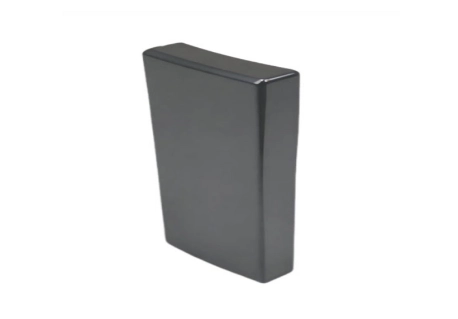
At GAUMU MAGNET, we focus on ferrite solutions for real applications. Our product catalog covers ferrite magnets and related metal materials, so customers can source parts with a clearer system view. We work with composition, size, shape, and magnetic property requirements based on the end use.
For device makers, that means fewer mismatches between design intent and final part. It also means better alignment between magnet form, assembly method, and product performance.
Conclusion
Ferrite cylinder and round magnets have a strong place in electronic devices because they are practical, stable, and easy to build around. Their shape supports clean field behavior, while ferrite material gives good heat resistance, corrosion resistance, and cost control. As electronics move toward smaller, smarter, and more efficient designs, these magnets remain a reliable choice for sensors, motors, meters, and control systems. For many projects, the best magnet is not the strongest one on paper. It is the one that fits the device, the production line, and the market pressure all at once.
FAQs
Q: What are ferrite cylinder and round magnets used for?
A: They are used in sensors, small motors, speakers, meters, and control devices.
Q: Are ferrite magnets for electronic devices cost effective?
A: Yes. They offer good performance with stable and practical production costs.
Q: Can GAUMU MAGNET customize ferrite cylinder and round magnets?
A: Yes. We can customize size, grade, shape, and magnetization direction.
Table of Contents
Recent Posts
Why Arc Ferrite Magnets Are Ideal for Rotational Motors
Ceramic Disc Magnet Manufacturer | Custom Ferrite Magnets
Ferrite Block Magnets Manufacturer | Custom Industrial Motor Magnets
FAQ
What is information we need before quotation for magnet?
2) Size and shape, and magnet tolerances, normally International tolerance is +/-0.1mm
4) Magnetization direction
5) Quantities required.
6) Magnet application