
- 14th August 2026
Industrial motors and generators are entering a fresh phase. Customers demand better efficiency. They also look for a steady supply, extended working life, and tighter cost management. Meanwhile, worldwide electrification is growing. Tougher energy regulations and rare earth supply threats are shifting how engineers pick magnetic materials. A motor magnet is not merely a piece inside the equipment anymore. It directly impacts torque and temperature increase. It also affects operating noise, physical size, overall price, and shipping security.
Many businesses build pumps, fans, compressors, and power tools. Others make generators, automotive auxiliary motors, or renewable energy gear. For all these firms, making the correct choice begins with understanding materials. The most widely used permanent magnets for industrial motors include ferrite, neodymium, AlNiCo, and samarium cobalt. Every single material brings specific benefits and certain boundaries.
Key Market Drivers Behind Magnet Selection
The need for permanent magnets for industrial motors keeps growing. This happens because motors stand at the core of today’s industrial world. Factory lines and HVAC systems rely on them. Electric mobility, robots, charging stations, and backup power setups also need dependable rotation and steady magnetic fields. Lately, industry focus has shifted toward rare earth supply networks. The IEA rare earth report points out a quick jump in magnet rare earth needs. This rapid growth comes from EVs, wind turbines, motors, and new digital tech.
Energy Efficiency Pressure
Motor efficiency serves as a major buying factor today. It is no longer just a technical goal for engineers. The U.S. Department of Energy shows revised electric motor standards. Companies must follow these rules starting June 1, 2027. You can find these details on its electric motors regulation page. This strict timeline forces makers to check their rotor designs again. They must also look closely at magnetic circuit layouts, material grades, and heat responses.
Top-tier permanent magnets assist motors in cutting down electrical waste. They also boost overall power density. Inside generators, these components maintain stable voltage. They ensure a quick reaction when placed under heavy loads. Still, the strongest magnet does not automatically make the greatest option. A small servo motor might require intense rare earth power. On the other hand, a standard home appliance motor could see better results from ferrite. Ferrite offers a cheaper price tag and solid temperature control.
Supply Chain and Cost Stability
Rare earth magnet supply has become a strategic issue. Industrial buyers are now asking whether a motor can meet its duty cycle with rare-earth-free materials or with a smaller amount of rare earth content. This is one reason ferrite motor magnets remain important in mass production. They use common raw materials, resist corrosion well, and support stable long-term pricing.
GAUMU MAGNET focuses on motor magnetic material solutions, especially ferrite magnets for automotive motors, household appliance motors, power tools, fitness equipment, generators, and BLDC variable-frequency motors.
Main Permanent Magnet Materials Used in Motors and Generators
Before choosing a magnet, engineers should compare strength, temperature range, corrosion behavior, demagnetization resistance, cost, and available space. A generator for outdoor power does not face the same problem as a compact robotic actuator. Likewise, a treadmill motor and an air conditioner fan motor may need different grades even if both use ferrite arc magnets.
Ferrite Magnets
Ferrite magnets, also called ceramic ferrite magnets, are made mainly from iron oxide and strontium carbonate or barium carbonate through a ceramic process. They are widely used because they offer a practical mix of cost, heat resistance, corrosion resistance, and stable supply.
Main advantages include:
- Low material cost for high-volume production
- Good resistance to corrosion without complex coating
- Strong resistance to demagnetization in many motor designs
- Useful operating temperature range for industrial and appliance motors
- Good fit for larger motor structures where space allows
Ferrite is often used in automotive window lifter motors, seat motors, sunroof motors, power tool motors, treadmill motors, fan motors, pump motors, and digital generators. Our ceramic ferrite magnet products include arc, block, bar, segment, and motor magnet forms for different magnetic circuit needs.
Neodymium Magnets
Neodymium magnets are known for very high magnetic strength. They can produce strong torque in a small volume, which makes them suitable for compact motors, high-power-density systems, lightweight devices, and precision motion control.
Their limits are also clear. They cost more, depend on rare earth materials, and often need coating for corrosion protection. Temperature performance depends heavily on grade. In high-temperature or supply-sensitive applications, engineers may need to balance size benefits against price risk and material availability.
Neodymium is often selected for:
- Compact servo motors
- EV traction motors
- Robotics
- High-speed motors
- Small generators with tight space limits
AlNiCo Magnets
AlNiCo magnets are made from aluminum, nickel, cobalt, and iron. They are valued for good temperature stability and useful magnetic behavior in certain instruments and sensor systems. In industrial motors, they are less common than ferrite and neodymium because they can be easier to demagnetize if the magnetic circuit is not carefully designed.
AlNiCo may suit applications where high-temperature stability matters more than maximum coercivity. It can be found in meters, sensors, specialized generators, and older motor designs. For many modern mass-production motors, ferrite usually offers a better balance of cost and coercivity.
Samarium Cobalt Magnets
Samarium cobalt magnets, often called SmCo magnets, are rare earth magnets with strong heat resistance and good corrosion behavior. They are used in harsh environments where temperature, stability, and long service life are more important than low cost.
They are suitable for aerospace-related equipment, high-temperature motors, precision generators, and demanding industrial instruments. The main drawback is price. SmCo is usually selected only when ferrite cannot provide enough strength and neodymium cannot meet heat or stability demands.
Product Forms and Magnetic Structures
Permanent magnets for industrial motors are not chosen by material alone. Shape is equally important. A strong material with the wrong geometry can create noise, uneven torque, weak output, or assembly problems. Engineers often send drawings, target flux, magnetization direction, tolerance needs, and motor application details before sampling.
Arc and Segment Magnets
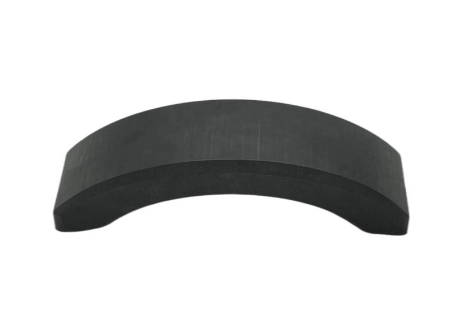
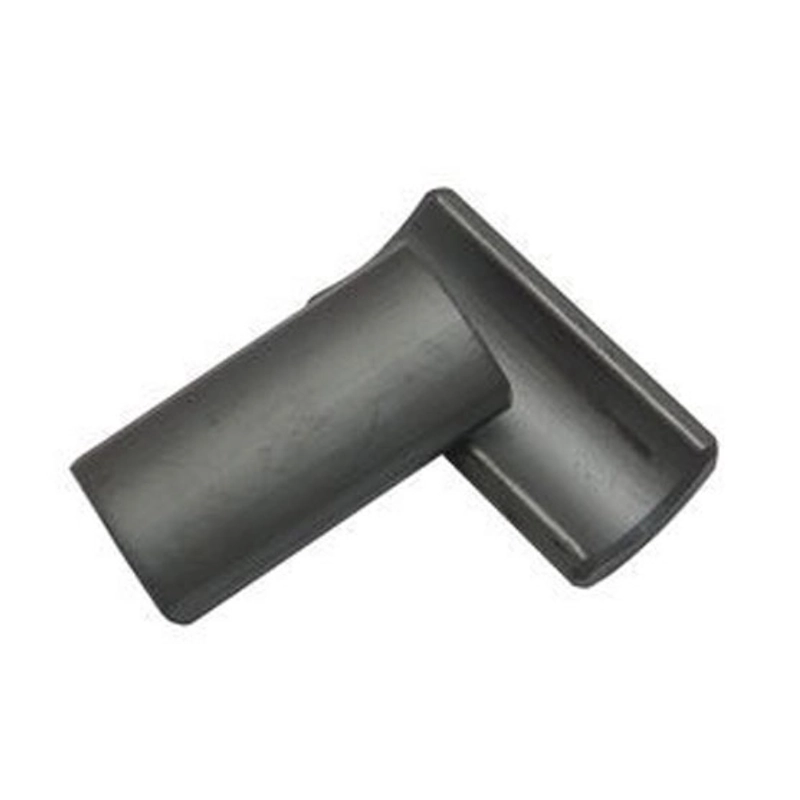
Arc magnets are common in DC motors, BLDC motors, appliance motors, automotive auxiliary motors, and generators. Their curved surface fits the stator or rotor structure and helps create a more even magnetic field. This is why ferrite arc magnets are widely used in window lifter motors, fan motors, treadmill motors, and power tools.
GAUMU MAGNET can customize ferrite permanent magnets based on composition, magnetic properties, shape, and size. Our product range includes motor magnets, ferrite arc magnets, ferrite block magnets, ferrite segment magnets, and inverter generator magnets.
Block, Bar, and Ring Magnets
Block and bar magnets are often used in magnetic assemblies, holding systems, sensors, and some generator structures. Ring magnets are common in speakers, couplings, and rotating systems. The right form depends on air gap, pole count, flux path, rotor speed, and assembly method.
For industrial motors, tolerance control matters. A small size difference can affect air gap uniformity, vibration, and noise. Wet-pressed ferrite arc magnets often require careful control of radius, chord width, thickness, height, and axial length.
Main Application Industries
Permanent magnets appear in almost every sector using electric motion. The application decides which material is practical. Cost-sensitive high-volume appliances may favor ferrite. Compact high-torque systems may need neodymium. High-temperature instruments may use AlNiCo or SmCo.
Automotive Auxiliary Motors
Modern vehicles use many small and medium motors. Window lifters, seat adjusters, sunroofs, fans, pumps, and wipers need reliable start-stop behavior. Ferrite magnets are often selected because they resist demagnetization well and keep costs manageable. The window lifter motor arc strontium ferrite magnet is one example of a curved magnet designed for automotive auxiliary motor use.
Household Appliances and BLDC Motors
Air conditioners, washing machines, fans, vacuum cleaners, and refrigerators need quieter motors, lower energy use, and stable mass production. Ferrite has gained attention in BLDC variable-frequency motors because improved grades can support good performance while reducing exposure to rare earth price changes.
Industrial Tools, Pumps, and Outdoor Generators
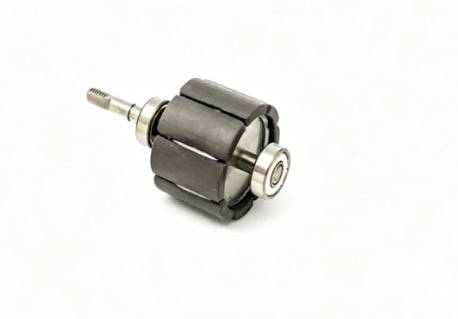
Power tools, lawn mowers, pumps, outdoor generators, and mobile power units face vibration, heat, dust, and load changes. Ferrite magnets are useful here because they provide stable magnetic output and good mechanical durability at a reasonable cost. GAUMU MAGNET’s 4KW digital motor ferrite magnet is designed for field machinery, portable power units, outdoor pumps, and mobile generators.
How to Choose the Right Magnet Material
A good selection process starts from working conditions, not from a material name. Ask these questions first:
- What torque and speed are required?
- How much space is available for the magnet?
- What is the highest working temperature?
- Will the motor face shock, vibration, or outdoor exposure?
- Is rare earth supply risk acceptable?
- What is the target production volume?
- What tolerance and magnetization direction are needed?
For many industrial motors and generators, ferrite gives the best total value when the design has enough space. Neodymium is stronger when compact size is critical. AlNiCo works in selected high-temperature or sensor uses. SmCo is suitable for harsh environments with strict stability needs. More information about our production capability and quality control is available on the GAUMU MAGNET about us page.
Conclusion
Permanent magnets for industrial motors must match real working conditions. Ferrite, neodymium, AlNiCo, and SmCo all have a place, but their value changes with size, heat, cost, supply risk, and output needs. Recent energy efficiency rules and rare earth supply concerns make material selection more important than ever. For high-volume motors, ferrite remains a strong option because it offers stable cost, good heat resistance, corrosion resistance, and dependable performance. For compact or harsh systems, rare earth magnets may still be needed. The best decision comes from testing, drawings, magnetic circuit design, and clear application goals.
FAQs
Q: What are the most common permanent magnets for industrial motors?
A: Ferrite, neodymium, AlNiCo, and SmCo are the main permanent magnets for industrial motors.
Q: Are ferrite motor magnets suitable for generators?
A: Yes. Ferrite motor magnets suit many generators needing stable output and cost control.
Q: Which magnet is best for high-temperature motors?
A: SmCo or AlNiCo often fit high heat; ferrite works well up to about 250℃.
Table of Contents
Recent Posts
Why Arc Ferrite Magnets Are Ideal for Rotational Motors
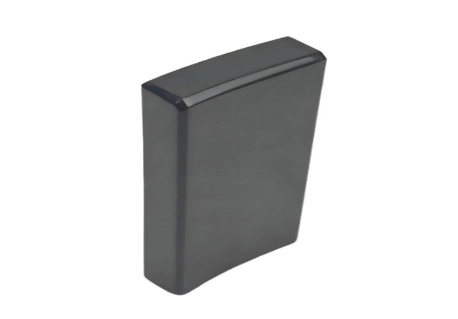
Ceramic Disc Magnet Manufacturer | Custom Ferrite Magnets
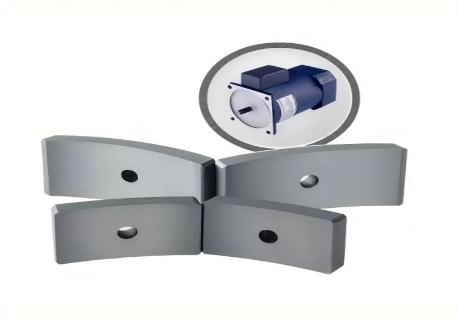
Ferrite Block Magnets Manufacturer | Custom Industrial Motor Magnets
FAQ
What is information we need before quotation for magnet?
2) Size and shape, and magnet tolerances, normally International tolerance is +/-0.1mm
4) Magnetization direction
5) Quantities required.
6) Magnet application