
- 11th September 2026
Ferrite and ceramic magnets may look simple, but the supplier behind them can shape your whole project outcome. A good supplier gives stable quality, clear communication, fair lead time, and the right product match for your device or motor. A weak supplier creates delays, uneven batches, and extra cost. For buyers in electronics, appliances, automotive parts, and industrial systems, that difference matters more than most people expect. At GAUMU MAGNET, we see this every day in real projects.
What Makes a Reliable Ferrite and Ceramic Magnet Supplier
A reliable supplier is not only a seller. It is a technical partner. When you are sourcing magnets, you need more than a catalog. You need someone who understands material behavior, product shape, working temperature, and how the magnet will sit inside the final assembly. That is the real starting point.
Material knowledge comes first
Ferrite magnets are ceramic magnetic materials made from iron oxide and strontium or barium compounds. They are valued for cost control, corrosion resistance, and steady performance in warm environments. A serious supplier should know how these traits change by grade, shape, and application. If the supplier cannot explain the material in plain language, that is a warning sign.
Product range tells you a lot
A strong supplier usually offers more than one shape. Round ferrite magnets, ferrite cylinder magnets, ring magnets, arc magnets, block magnets, and custom shapes all serve different jobs. This matters because a motor magnet is not the same as a sensor magnet. When a supplier can support several forms, it usually means they understand magnetic design in a practical way.
Response speed and sample handling matter
Good suppliers reply quickly and ask the right questions. They want your size, grade, tolerance, magnetization direction, and final use before quoting. They also handle samples with care. At GAUMU MAGNET, we focus on that same working style: clear replies, custom support, and stable production thinking. If you want to see our full range, start with our products.
Ferrite and Ceramic Magnet Types Buyers Ask For Most
Before choosing a supplier, it helps to know which product forms you actually need. Many buyers begin with the shape, then move to grade and tolerance. That order is smart. Shape affects the magnetic field, fit, and assembly method. A small change in geometry can change the whole performance result.
Round and cylinder magnets
Round ferrite magnets and ferrite cylinder magnets are common in sensors, small motors, speakers, and control parts. Their shape supports balanced field flow and simple installation. In compact electronic devices, that balance is useful because it helps keep motion and signal reading steady.
These magnets are often chosen for:
- Hall sensor systems
- Small drives and actuators
- Audio parts
- Metering devices
- Holding and positioning assemblies
Arc, ring, and pole arc designs
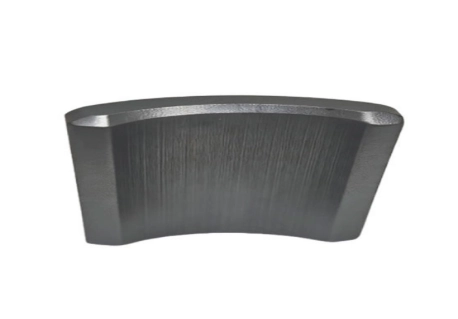
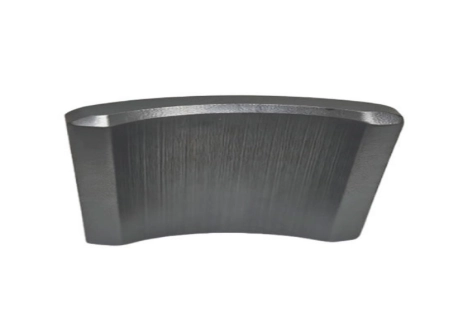
Arc magnets are used when the product needs a curved magnetic path. That is why the pole arc matters so much in motor work. If the pole arc fits well, the motor can run with smoother force and less noise. Ring magnets are useful where circular symmetry is needed, while arc segments fit rotor and stator structures more closely.
For motor buyers, this is where a supplier’s skill becomes visible. A supplier that understands pole arc, magnetization direction, and tolerance can support the whole assembly instead of just shipping a part.
Custom ferrite parts for specific devices
Not every project fits a standard shape. Some need a custom hole, curved edge, or special length. In those cases, the supplier should be willing to work from drawings or samples. That flexibility is especially useful in electronics and motor projects, where the magnet must match an existing housing or board layout.
For a closer look at one common motor shape, see our Window Lifter Motor Arc Strontium Ferrite Magnet.
Where Ferrite and Ceramic Magnets Are Used
Ferrite magnets are found in more places than many buyers realize. They are used not only in simple electronic products, but also in motor systems, sensing systems, and industrial tools. That wide use is one reason the supplier choice should be based on application, not just price.
Electronic devices and Hall sensing
Ferrite magnets are widely used in Hall sensor magnets, position reading, speed control, and angle detection. These parts need stable magnetic output and repeatable shape. In devices such as washing machine drives, cooling fans, and small controllers, the magnet supports clean signal reading and steady movement.
A useful reference is our article on multipole ferrite magnets for Hall sensor applications, which shows how round and hollow cylinder forms are used in sensing work.
Motors and generators
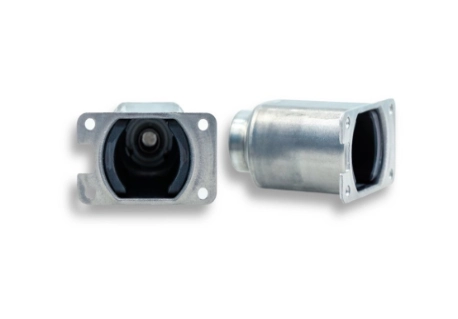
Ferrite magnets are also used in appliance motors, automotive auxiliary motors, treadmill motors, power tools, and outdoor power systems. In these products, low cost alone is not the point. The magnet must also survive heat, vibration, and long working hours. That is why ferrite is still a strong option for many motor makers.
The same logic applies to permanent magnet synchronous generators. In those systems, stable field behavior and smart magnetic design matter just as much as strength.
Appliances, tools, and industrial systems
Fans, pumps, small household drives, and field machines all benefit from ferrite’s steady behavior. These products often run for long periods and need reliable supply planning. A supplier who already serves multiple industries can usually support those needs better than a narrow, one-product source.
Recent Industry Shifts That Affect Supplier Choice
The magnet market is changing fast. Buyers are watching cost, supply security, and the shift toward more efficient electric systems. That means the best supplier is not just the cheapest one. It is the one that understands where the market is going.
Rare-earth supply risk is still a concern
Recent IEA reports show that rare earth supply chains remain highly concentrated, and magnet production is still a bottleneck. That has pushed many buyers to look harder at ferrite as a practical, rare-earth-free option. For many applications, ferrite gives a safer sourcing path without giving up the function the product needs.
BLDC motors and efficient design are growing
BLDC motors, smart appliances, and compact electronic systems continue to grow. These products need magnets that fit tighter spaces and support quieter running. Ferrite can work well here when the design is built around the material from the start. Buyers should ask suppliers whether they understand that kind of application logic.
Related metal materials can matter too
In many projects, the magnet is only part of the system. Surrounding parts may use brass strip or high performance alloy strip. If your project also needs brass C2680 or C7025 material, it helps to work with a supplier that understands both magnetic and metal material needs. That can reduce mix-ups and keep the project moving faster.
Why GAUMU MAGNET Is a Practical Choice
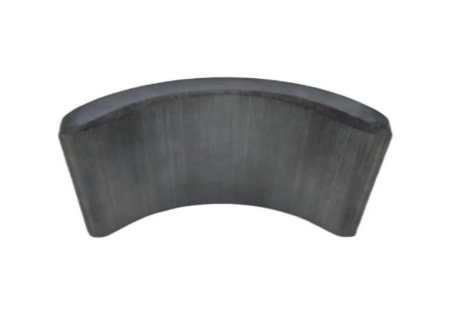
At GAUMU MAGNET, we focus on ferrite products for real working conditions. We customize size, shape, grade, and magnetization direction based on customer needs. Our ceramic ferrite magnet range is built for motor and electronic use, not just general catalog sale. You can learn more from our ceramic ferrite magnet page and see how our home page presents our wider material focus.
We also think about the whole sourcing picture. That means magnet performance, delivery speed, and related material support all matter. For buyers who need a dependable partner, that mix is often the real difference between a smooth project and a hard one.
Conclusion
Finding reliable ferrite and ceramic magnet suppliers starts with asking the right questions. Does the supplier understand material behavior? Do they offer the right shapes? Can they support custom work, fast sampling, and stable batch quality? Do they know the application, not just the part number? For electronics, motors, and generators, these questions shape the final result. Ferrite remains a smart choice because it balances cost, heat resistance, and supply stability. A strong supplier helps you turn that balance into a real product advantage.
FAQs
Q: How do I compare ferrite and ceramic magnet suppliers?
A: Check material knowledge, sample speed, quality control, and application support.
Q: Are ferrite and ceramic magnet suppliers good for motor projects?
A: Yes. They are often a strong fit for motors, sensors, and generators.
Q: Can GAUMU MAGNET customize ferrite magnets?
A: Yes. We customize shape, size, grade, and magnetization direction.
Table of Contents
Recent Posts
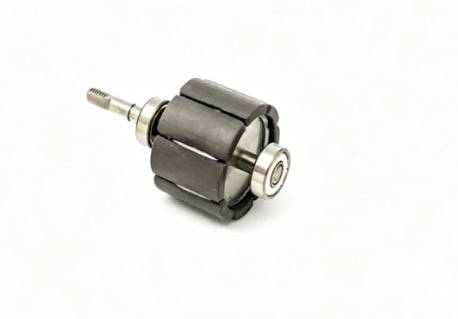
Why Arc Ferrite Magnets Are Ideal for Rotational Motors
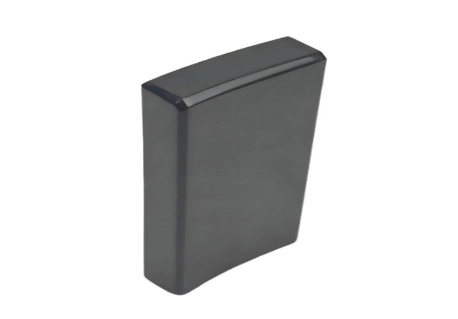
Ceramic Disc Magnet Manufacturer | Custom Ferrite Magnets
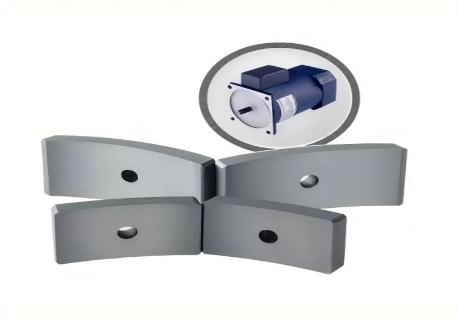
Ferrite Block Magnets Manufacturer | Custom Industrial Motor Magnets
FAQ
What is information we need before quotation for magnet?
2) Size and shape, and magnet tolerances, normally International tolerance is +/-0.1mm
4) Magnetization direction
5) Quantities required.
6) Magnet application