
- 28th August 2026
Arc magnets for wiper motors sit at a small but important point in the automotive system. They help turn electrical input into steady motion, and that motion has to stay smooth in rain, heat, cold, and vibration. For buyers and engineers, the real question is not only magnetic strength. It is whether the magnet fits the motor design, keeps its shape over time, and supports reliable wiping in daily use. At GAUMU MAGNET, we work with ferrite magnetic materials that serve motor applications across vehicles, appliances, and industrial products.
Why Arc Magnets Fit Wiper Motors
Wiper motors work in a harsh and very visible role. They start and stop often, face moisture, and must keep a steady rhythm when the windshield is covered with water, dust, or ice. That is why the curved shape of an arc magnet matters. It matches the motor cavity more closely and helps the magnetic field follow the rotor path with less waste.
Curved Geometry and Pole Arc Matching
The pole arc is a key part of wiper motor design. When the magnet curve matches the rotor path well, the field becomes more even. That can help reduce noise, lower drag, and support smoother torque delivery. In a wiper system, smooth motion matters because the driver feels every small change in speed or vibration.
A good arc magnet also helps the motor run with better balance. The field does not need to fight against a poor fit, and the rotor can move with less irregular pull. That is useful in compact automotive systems where space is limited and performance has to stay stable across long service life.
Stable Output in Real Driving Conditions
Wiper motors do not live in clean lab settings. They operate under rain, temperature swings, road vibration, and repeated use. For that reason, arc magnets for wiper motors must hold their magnetic force in a practical way, not just in a spec sheet. Ferrite materials work well here because they are steady, corrosion-resistant, and built for long-term use.
For many vehicle systems, the goal is dependable motion rather than maximum force. That is why ferrite arc magnets remain a strong choice in this category. They support the kind of everyday reliability that drivers notice only when it is missing.
Material Features That Matter in Daily Use
Material choice shapes both cost and behavior. A magnet can only perform well if the material matches the motor’s working load, temperature range, and assembly method. That is especially true in automotive systems, where one weak point can affect the whole user experience. The best material is the one that stays stable, fits the design, and keeps production practical.
Strontium Ferrite as the Core Material
Most ferrite arc magnets use strontium ferrite. This ceramic material is known for its low cost, good corrosion resistance, and solid heat resistance. In motor use, that gives engineers a dependable base material that can handle repeated starts, long running hours, and outdoor exposure.
GAUMU MAGNET’s ceramic ferrite magnet range is built around these practical strengths. The material is not chosen for flash. It is chosen because it works. For wiper motors, that means a magnet that can support steady field output without bringing unnecessary cost or maintenance risk.
Heat, Humidity, and Demagnetization Resistance
Wiper motors often sit close to the engine bay or other warm zones. They also face humidity and seasonal weather changes. Ferrite magnets perform well in this kind of environment because they resist corrosion naturally and tolerate heat better than many buyers expect. Their resistance to demagnetization also matters when the motor sees repeated load changes.
This is one reason ferrite remains attractive in automotive auxiliary systems. When a magnet keeps its field over time, the motor keeps its rhythm. That rhythm is what gives a wiper system its quiet confidence in bad weather.
Core Advantages for OEMs and Tier Suppliers
For OEMs and Tier suppliers, a magnet is never just a magnet. It is part of a full manufacturing plan that must balance cost, supply, quality, and field performance. Arc magnets for wiper motors bring several advantages that make them attractive in large-scale production.
- Lower cost than many rare-earth options
- Good resistance to corrosion and heat
- Stable batch performance for mass production
- Useful fit for compact motor housings
- Strong long-term value in high-volume automotive parts
These strengths matter even more in markets that want cost control without giving up basic reliability. GAUMU MAGNET’s product range supports this approach with ferrite solutions for motor systems and related assemblies, including our products.
Product Classification and Design Choices
Arc magnets for wiper motors are part of a wider ferrite product family. Different motor designs call for different shapes, sizes, and magnetic directions. The choice depends on the pole count, motor size, housing shape, and target torque. A clean design match can improve assembly speed and final performance.
Arc Segment Ferrite Magnets
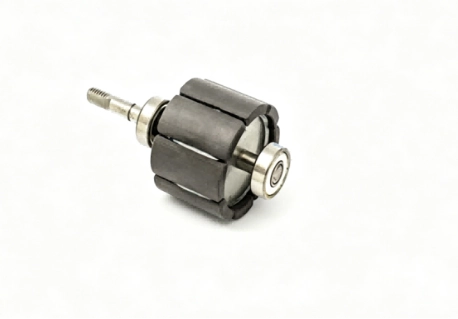
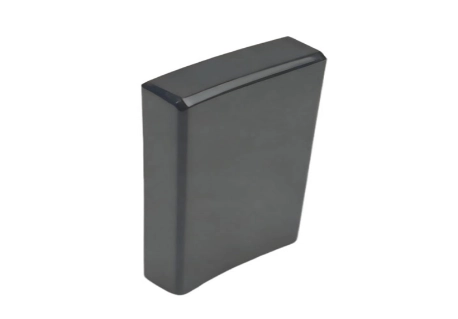
Arc segment magnets are the most direct fit for wiper motors. Their curved body follows the motor stator more closely than a flat block magnet would. That helps form a more even air gap, which supports smoother magnetic pull and more controlled motor action.
These magnets are widely used in automotive auxiliary motors, including window lift systems, seat motors, sunroof units, and wiper motors. When the arc is shaped well, the motor can run with less uneven force and better repeatability.
Ring, Block, and Custom Shapes
Ferrite ring magnets and block magnets also have an important place in magnetic assemblies. Ring magnets are useful where circular field distribution is needed. Block magnets work well in other motor and holding designs. In many projects, custom shaping is the most practical path.
For engineers, the real value lies in match and consistency. A magnet with the right pole arc, tolerance, and magnetization direction can save time in assembly and reduce rework. That matters in high-volume production where small defects become large costs.
Where Magnetic Assemblies Need More Than One Material
In broader magnetic assemblies, the magnet is only one part of the story. Surrounding components must also support current flow, structure, and fit. That is where materials such as brass strip and high performance alloy strip can play a useful role. They help support conductive or structural parts in related motor and assembly work.
This wider material view is one reason customers look for a supplier that understands the full system, not just the magnet itself.
Main Industries and Related Applications
Wiper motors are only one part of a larger market for ferrite motor magnets. The same material logic appears in many other industries that need stable motion, long service life, and sensible cost control. That broader demand is part of why ferrite remains so relevant.
- Automotive auxiliary motors, including wiper, window lift, seat, and sunroof motors
- Household appliance motors, especially BLDC and fan systems
- Power tools and lawn equipment
- Outdoor generators and portable power systems
- Permanent magnet synchronous generators, where material stability and supply security matter
At GAUMU MAGNET, we also support motor projects that need strong output in compact space. For example, our 4KW digital motor ferrite magnet shows how ferrite can serve field machines and outdoor power systems that need stable magnetic performance under real working stress.
Industry Hotspots Shaping Buying Decisions
Recent industry attention has shifted toward electrification, supply chain resilience, and motor efficiency. The IEA Global EV Outlook 2026 shows how electric vehicle output and related motor demand continue to grow. That growth matters because it pulls more attention toward motor design, auxiliary systems, and material choice.
At the same time, the IEA has warned about the concentration risk in critical mineral supply chains. For buyers, this is a real reason to look again at rare-earth-free motor magnets. Ferrite arc magnets offer a practical answer for many systems where the design can support them. They reduce exposure to supply swings while keeping performance strong enough for the job.
How GAUMU MAGNET Supports Custom Projects
At GAUMU MAGNET, we focus on ferrite magnet solutions that fit real motor needs. We customize shape, size, magnetic property, and tolerance based on customer drawings or samples. Our work is built around stable supply, steady quality, and practical performance for motor applications.
We serve customers who need magnetic parts for automotive motors, appliance motors, power tools, and field equipment. We also support related material needs through our broader metal supply chain. If a project needs a magnet partner that understands both production and application, our home page is a good place to start.
Conclusion
Arc magnets for wiper motors are a smart choice when the goal is steady motion, long service life, and controlled cost. Their curved shape supports better pole arc matching, while ferrite material gives them good heat resistance, corrosion resistance, and supply stability. That makes them well suited to the real demands of automotive auxiliary systems. As the market pays more attention to electrification and rare-earth risk, ferrite arc magnets are gaining new value. For wiper motors, they offer a balanced path: not the loudest solution, but often the most practical one. That balance is exactly what many OEMs and Tier suppliers need today.
FAQs
Q: Why are arc magnets for wiper motors widely used?
A: They fit the motor curve well and support smooth, reliable motion.
Q: Are arc magnets for wiper motors good for harsh weather?
A: Yes. Ferrite arc magnets handle heat, moisture, and corrosion well.
Q: Can GAUMU MAGNET customize arc magnets for wiper motors?
A: Yes. We can customize size, pole arc, grade, and magnetization.
Table of Contents
Recent Posts
Why Arc Ferrite Magnets Are Ideal for Rotational Motors
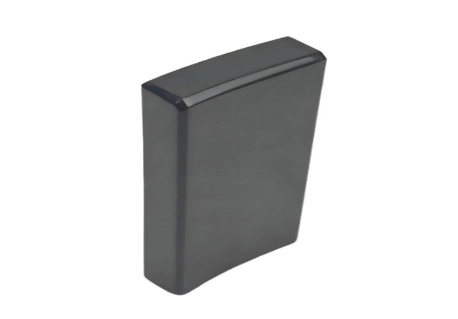
Ceramic Disc Magnet Manufacturer | Custom Ferrite Magnets
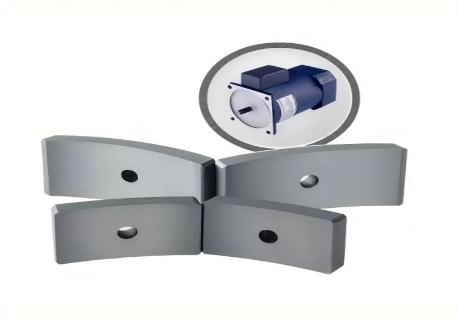
Ferrite Block Magnets Manufacturer | Custom Industrial Motor Magnets
FAQ
What is information we need before quotation for magnet?
2) Size and shape, and magnet tolerances, normally International tolerance is +/-0.1mm
4) Magnetization direction
5) Quantities required.
6) Magnet application