
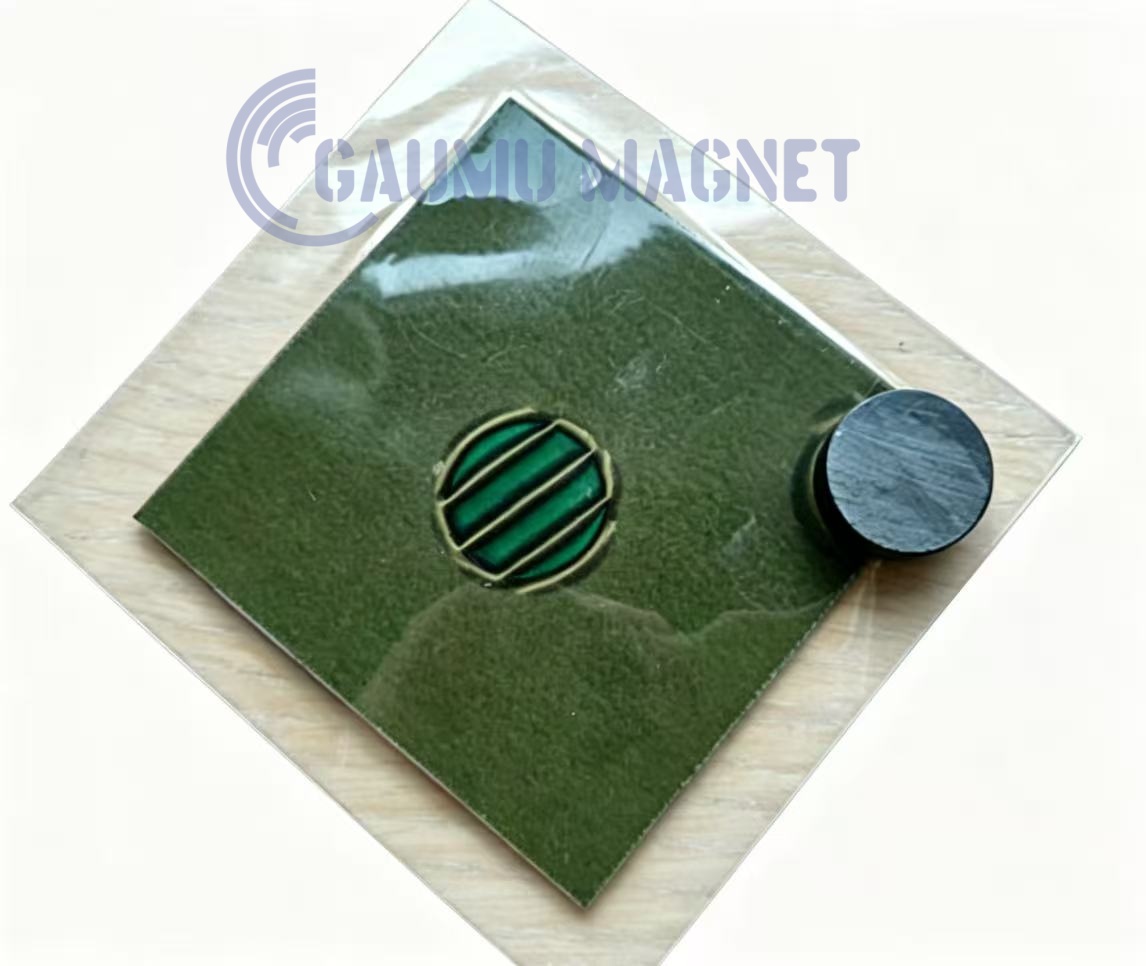
Hall Sensor အသုံးချမှုများအတွက် Multipole Sintered Ferrite Magnets မိတ်ဆက်
၂၀၂၆ ခုနှစ်၊ ဇွန်လ ၁၂ ရက်
သံလိုက်များသည် Hall sensor ထောက်လှမ်းစနစ်များ၏ မရှိမဖြစ် အဓိကအစိတ်အပိုင်းများဖြစ်သည်။
✅ Multipole sintered ferrite သံလိုက်များ၏ အားသာချက်များ-• ထုတ်လုပ်မှုကုန်ကျစရိတ်နည်းပါးခြင်း• တည်ငြိမ်သောသံလိုက်စွမ်းဆောင်ရည်• အပူချိန်မြင့်မားမှုကို ခံနိုင်ရည်ကောင်းမွန်ခြင်း မော်တာအမြန်နှုန်းစမ်းသပ်ခြင်း၊ အနေအထားနှင့်ထောင့်ထောက်လှမ်းခြင်း၊ အိမ်သုံးပစ္စည်းထိန်းချုပ်မှုအတွက် ကျယ်ကျယ်ပြန့်ပြန့်အသုံးပြုသည်။
� ပုံမှန်ပုံသဏ္ဍာန်များ- အဝိုင်း / လက်စွပ် / အခေါင်းပုံသဏ္ဍာန်ဆလင်ဒါ ရရှိနိုင်သော သံလိုက်ဝင်ရိုးစွန်းများ- 4P / 6P / 8P / 12P / 16P နှင့် custom ဝင်ရိုးစွန်းများ။ လည်ပတ်သည့်အခါ Hall sensor များမှ အလှည့်ကျသံလိုက်စက်ကွင်းများကို အာရုံခံပြီး အမြန်နှုန်း၊ အနေအထားနှင့်ထောင့်ဒေတာကို ဖတ်ရှုသည်။
� Hall sensing အတွက် multipole ဒီဇိုင်းကို အဘယ်ကြောင့် ရွေးချယ်ရသနည်း။ ▪ 2P သံလိုက် → အပြည့်အဝလည်ပတ်မှုတစ်ကြိမ်လျှင် အချက်ပြစက်ဝန်း ၁ ခု ▪ 8P သံလိုက် → အပြည့်အဝလည်ပတ်မှုတစ်ကြိမ်လျှင် အချက်ပြစက်ဝန်း ၄ ခု ▪ 16P သံလိုက် → အပြည့်အဝလည်ပတ်မှုတစ်ကြိမ်လျှင် အချက်ပြစက်ဝန်း ၈ ခု pulses ပိုများခြင်း = လည်ပတ်မှုအမြန်နှုန်းတူညီမှုအောက်တွင် ပိုမိုမြင့်မားသော ထောက်လှမ်းမှုတိကျမှု။
� အပြည့်အဝစိတ်ကြိုက်ပြင်ဆင်မှုရရှိနိုင်သည်- ပုံသဏ္ဍာန် | အရွယ်အစား | ဝင်ရိုးစွန်းအရေအတွက် | သံလိုက်ဓာတ်ပြုမှု | မျက်နှာပြင်သံလိုက်စီးဆင်းမှု သင့် Hall sensor နှင့် ထုတ်ကုန်ဒီဇိုင်းနှင့် ကိုက်ညီစေရန် စိတ်ကြိုက်ပြုလုပ်ထားသည်။ � အပလီကေးရှင်းနယ်ပယ်များ- BLDC မော်တာအမြန်နှုန်းသိရှိခြင်း | အဝတ်လျှော်စက်မောင်းများ | မော်တော်ကား အအေးခံပန်ကာ | ပါဝါကိရိယာများ | စမတ်အိမ်သုံးပစ္စည်းများ Hall အာရုံခံပရောဂျက်အားလုံးအတွက် ကုန်ကျစရိတ်သက်သာသော ferrite ရွေးချယ်မှု။
� စိတ်ကြိုက်ကိုးကားမှုအတွက် ဆက်သွယ်ရန်- အီးမေးလ်: shirley@gaumumagnet.com� ဝဘ်ဆိုဒ်: www.gaumumagnet.com
话题标签#FerriteMagnet 话题标签#SinteredFerrite 话题标签#HallSensorMagnet 话题标签#BLDCMotorMagnet 话题 CustomFerriteMagnet#话题标签#မော်တာအစိတ်အပိုင်းများ 话题标签#စက်မှုသံလိုက်
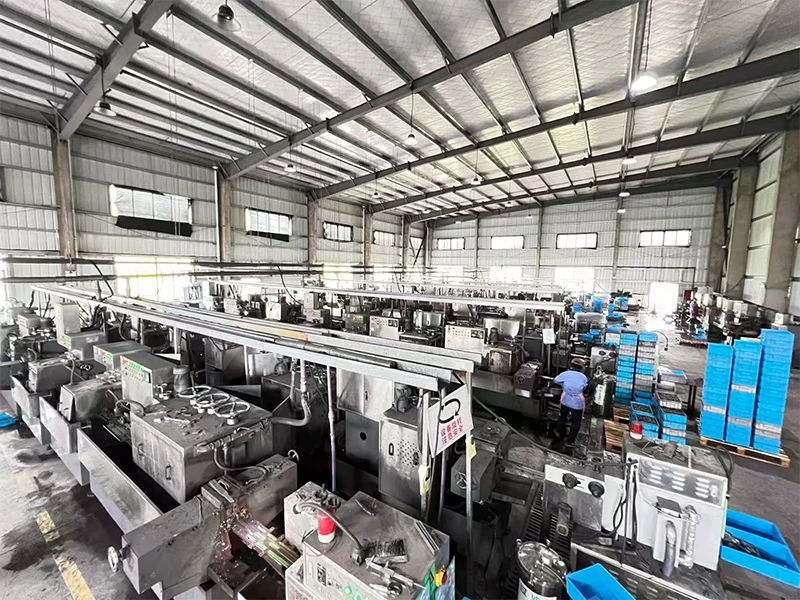
Ferrite Arc သံလိုက်များသည် တိကျသောမြေပြင်ဖြစ်ပုံ- အသုံးများသော စက်ဖြင့်ပြုပြင်ခြင်းနည်းလမ်း ၃ ခု
၂၀၂၆ ခုနှစ်၊ ဇွန်လ ၁၀ ရက်
Arc သံလိုက်များ (ferrite သံလိုက် အပိုင်းများဟုလည်း လူသိများသည်) သည် မော်တာတပ်ဆင်ခြင်းအတွက် အတိုင်းအတာနှင့် မျက်နှာပြင်အပြီးသတ်လိုအပ်ချက်များနှင့် ကိုက်ညီစေရန် တိကျသော ကြိတ်ခွဲမှု လိုအပ်ပါသည်။ Gaomu Magnet တွင် ကျွန်ုပ်တို့အသုံးပြုသော အသုံးအများဆုံး ကြိတ်ခွဲမှုလုပ်ငန်းစဉ်သုံးခုကို ခွဲခြမ်းစိတ်ဖြာထားပါသည်။
� ၁။ အခြေခံ လက်စွဲကြိတ်စက်များ
အသုတ်ငယ်ထုတ်လုပ်မှုနှင့် ပုံစံငယ်ထုတ်လုပ်ခြင်းအတွက် သင့်တော်သည်
အစပိုင်းကုန်ကျစရိတ်နည်းပါးသော်လည်း အော်ပရေတာအတွေ့အကြုံအပေါ် များစွာမူတည်သည်
တင်းကျပ်မှုနည်းသော သည်းခံမှုလိုအပ်ချက်များရှိသော အသုံးချမှုများအတွက် အကောင်းဆုံးဖြစ်သည်
� ၂။ တစ်ဆင့်ကြိတ်စက်များ
လက်စွဲကြိတ်စက်များထက် အလိုအလျောက်လုပ်ဆောင်နိုင်မှု မြင့်မားသည်
စက်ဝန်းတစ်ခုလျှင် တိကျသောလုပ်ဆောင်မှုတစ်ခု (အတွင်း/အပြင် arc သို့မဟုတ် အဆုံးမျက်နှာပြင်) ကို ပြီးမြောက်သည်
အလတ်စားပမာဏ မှာယူမှုများအတွက် တသမတ်တည်းတိကျမှုကို ပေးစွမ်းသည်
� ၃။ Through-Feed စဉ်ဆက်မပြတ်ကြိတ်စက်များ
အပြည့်အဝ အလိုအလျောက်လုပ်ဆောင်နိုင်သော၊ ပမာဏမြင့်မားသော ဖြေရှင်းချက်
စဉ်ဆက်မပြတ်ဖြတ်သန်းမှုတစ်ခုတည်းတွင် ၆-ဘက်ပုံသွင်းကြိတ်ခွဲမှုကို လုပ်ဆောင်သည်
ကြီးမားသောစက်ရုံများတွင် အစုလိုက်အပြုံလိုက်ထုတ်လုပ်မှုအတွက် စံရွေးချယ်မှု
Gaomu Magnet တွင်၊ ကျွန်ုပ်တို့သည် ပမာဏနည်းသော စိတ်ကြိုက်နမူနာများမှ ပမာဏများသော မော်တာအဆင့် သံလိုက်ထုတ်လုပ်မှုအထိ သင့်ပရောဂျက်၏ စကေးနှင့် တိကျမှုလိုအပ်ချက်များအတွက် ကျွန်ုပ်တို့၏ ကြိတ်ခွဲမှုဗျူဟာကို စိတ်ကြိုက်ပြုလုပ်ပေးပါသည်။
� သင့်မော်တာသတ်မှတ်ချက်များနှင့် ကိုက်ညီသော စိတ်ကြိုက် ferrite magnet အပိုင်းများအတွက် Shirley ကို ဆက်သွယ်ပါ-
� shirley@gaumumagnet.com
� www.gaumumagnet.com
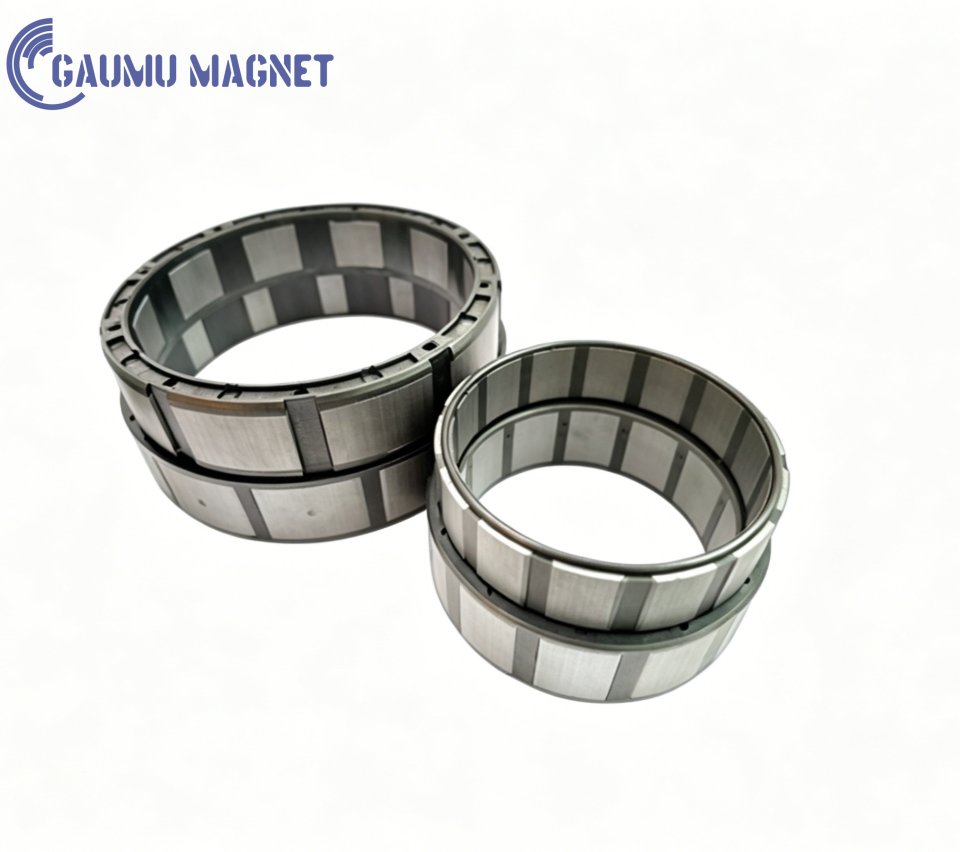
ကြေးနီဝါယာကြိုး ချွေတာလိုက်ပါ။ ဆီလီကွန်သံမဏိပြား ကုန်ကျစရိတ်ကို ၃၀% ကျော် လျှော့ချလိုက်ပါပြီ။
၂၀၂၆ ခုနှစ်၊ ဇွန်လ ၉ ရက်
ပန်ကာမော်တာများတွင် အသုံးပြုသော ရိုးရာသံလိုက်ကြွေပြားများကို အစားထိုးရန် ဆန်းသစ်သော ဖြေရှင်းချက်တစ်ခုကို ကျွန်ုပ်တို့ စတင်လိုက်ပါပြီ။
✅ ဤဖြေရှင်းချက်သည် ပလတ်စတစ်ဖြင့် အုပ်ထားသော နည်းပညာဖြင့် Y30 အဆင့် ferrite သံလိုက်များကို အသုံးပြုထားသည်။
✅ 10-pole၊ 14-pole နှင့် 16-pole ဒီဇိုင်းများကို ပံ့ပိုးပေးသည်။
✅ အပြင်ဘက်အချင်း 100-160 မီလီမီတာခန့်။
✅ အတွင်းနှင့် အပြင်အချင်း နှစ်မျိုးလုံးကို သင့်လိုအပ်ချက်များအလိုက် အပြည့်အဝ စိတ်ကြိုက်ပြင်ဆင်နိုင်သည်။
� အဓိကအသုံးချမှု- စက်မှုလုပ်ငန်းသုံး မျက်နှာကျက်ပန်ကာမော်တာများ
ဤအကောင်းဆုံးဖြေရှင်းချက်သည် ကြေးနီဝါယာကြိုးအသုံးပြုမှုကို ထိရောက်စွာ သက်သာစေပြီး ဆီလီကွန်သံမဏိပြားကုန်ကျစရိတ်ကို 30% ကျော် လျှော့ချပေးသောကြောင့် သင့်ထုတ်ကုန်ကုန်ကျစရိတ်သက်သာမှုနှင့် ဈေးကွက်ယှဉ်ပြိုင်နိုင်စွမ်းကို သိသိသာသာ မြှင့်တင်ပေးပါသည်။
� စိတ်ဝင်စားသော ဖောက်သည်များအား နမူနာများနှင့် တရားဝင်ကိုးကားချက်များအတွက် ကျွန်ုပ်တို့၏ အွန်လိုင်းဖောက်သည်ဝန်ဆောင်မှုသို့ ဆက်သွယ်ရန် ကြိုဆိုပါသည်။
အီးမေးလ်: shirley@gaumumagnet.com ဝက်ဘ်ဆိုက်: www.gaumumagnet.com
话题标签#IndustrialFanMotor 话题标签#FerriteMagnet 话题标签#PlasticCoatedMagnet 话题标签#MotorCostSaving 话题标签#MotorCostSaving 话题标签#话题标签#ManufacturingSolution
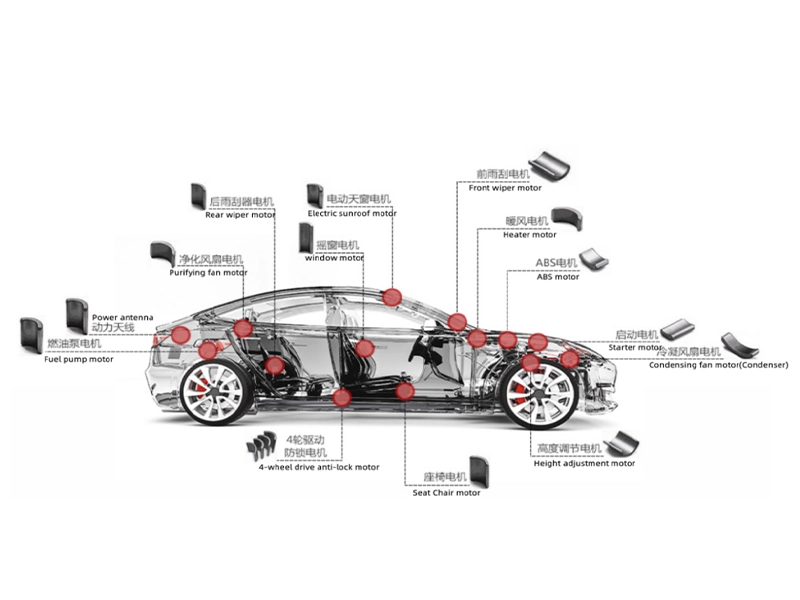
ရှားပါးဒြပ်စင်တွေကို အစားထိုးမယ့် Ferrite သတ္တုလား။ ဒါဟာ သီအိုရီတစ်ခုသာ မဟုတ်တော့ပါဘူး။
၂၀၂၆ ခုနှစ် ဇွန်လ ၈ ရက်
မော်တာလုပ်ငန်းမှာ လူအများက “High Performance = Rare Earth (NdFeB)” လို့ ယုံကြည်နေကြဆဲပါ။ ဒါပေမဲ့ ဈေးနှုန်းအတက်အကျနဲ့ ထောက်ပံ့ရေးကွင်းဆက်အန္တရာယ်တွေကို ရင်ဆိုင်နေရတဲ့အတွက် “Rare Earth-Free” ဖြေရှင်းချက်တွေဟာ စီးပွားရေးအရ လက်တွေ့ဖြစ်လာပါပြီ။
အင်ဂျင်နီယာတိုင်းနဲ့ ဝယ်ယူသူတိုင်း သိထားသင့်တဲ့ Ferrite အသုံးပြုမှု အောင်မြင်တဲ့ ဖြစ်ရပ် ၃ ခုကို ဖော်ပြပေးလိုက်ပါတယ်။
၁။ Cross-Industry Benchmark: Gree Kaibang ၂၀၁၀ ခုနှစ်မှာ သူတို့ဟာ rare-earth-free synchronous reluctance motors တွေကို စတင်ထုတ်လုပ်ခဲ့ပြီး variable frequency air conditioner ၁၀၀ သန်းကျော်မှာ အသုံးပြုခဲ့ပါတယ်။ ပိုပြီး အံ့သြစရာကောင်းတာက ဒီနည်းပညာဟာ စီးပွားဖြစ် EVs (40-200kW) အတွက် main drive motors တွေအထိ တိုးချဲ့ခဲ့ပြီး IE5 ultra-premium efficiency ကို ရရှိခဲ့ပါတယ်။
၂။ HVAC Compressors တွေမှာ “Hidden Champions” တွေ Panasonic Wanbao နဲ့ Rechi လို ကုမ္ပဏီကြီးတွေက 1.5HP အောက် ယူနစ်တွေအတွက် Ferrite VFD compressors တွေဟာ Tier 1 စွမ်းအင်ထိရောက်မှုစံနှုန်းတွေနဲ့ အပြည့်အဝ ကိုက်ညီနိုင်တယ်ဆိုတာ သက်သေပြခဲ့ပါတယ်။ ရှားပါးသတ္တုဈေးနှုန်းများ မြင့်တက်လာသောအခါ Ferrite သည် အဆုံးစွန်သော တည်ငြိမ်မှုပေးသည့်ပစ္စည်းဖြစ်သည်။
၃။ ဂျပန် Proterial (ယခင် Hitachi Metals) မှ Tech Roadmap သည် ပါဝါလိုအပ်ချက်များနှင့် ကိုက်ညီသော Ferrite သံလိုက်များကိုသာ အသုံးပြု၍ EV မော်တာများကို ပုံစံငယ်ထုတ်ပြီးဖြစ်သည်။ ၎င်းသည် ဆန်းသစ်သော သံလိုက်နေရာချထားမှုနှင့် ဆားကစ်ဒီဇိုင်းဖြင့် Ferrite ၏ စွမ်းဆောင်ရည်ကန့်သတ်ချက်များကို အဆက်မပြတ်တွန်းအားပေးနေကြောင်း သက်သေပြသည်။
� ကျွန်ုပ်၏ သင်ခန်းစာ- အဓိကစိန်ခေါ်မှုမှာ 'Ferrite အလုပ်လုပ်နိုင်ပါသလား' မဟုတ်တော့ဘဲ 'SynRM ဒီဇိုင်းများကဲ့သို့' ၎င်း၏ ကုန်ကျစရိတ်-စွမ်းဆောင်ရည်အချိုးကို အမြင့်ဆုံးဖြစ်စေရန် သံလိုက်ဆားကစ် topology (SynRM ဒီဇိုင်းများကဲ့သို့) ကို မည်သို့ အကောင်းဆုံးဖြစ်အောင် ပြုလုပ်မည်နည်း။
ကုန်ကျစရိတ်လျှော့ချရေးဖြေရှင်းချက်များကို သင်ရှာဖွေနေပါက သို့မဟုတ် Ferrite မော်တာဒီဇိုင်းကို စိတ်ဝင်စားပါက ချိတ်ဆက်ကြပါစို့။
#FerriteMagnet 话题标签#RareEarthFree 话题标签#ElectricMotor 话题标签#ကုန်ကျစရိတ်လျှော့ချရေး 话题标签#SupplyChain 话题标签#话题标签#HVAC 话题标签#EV
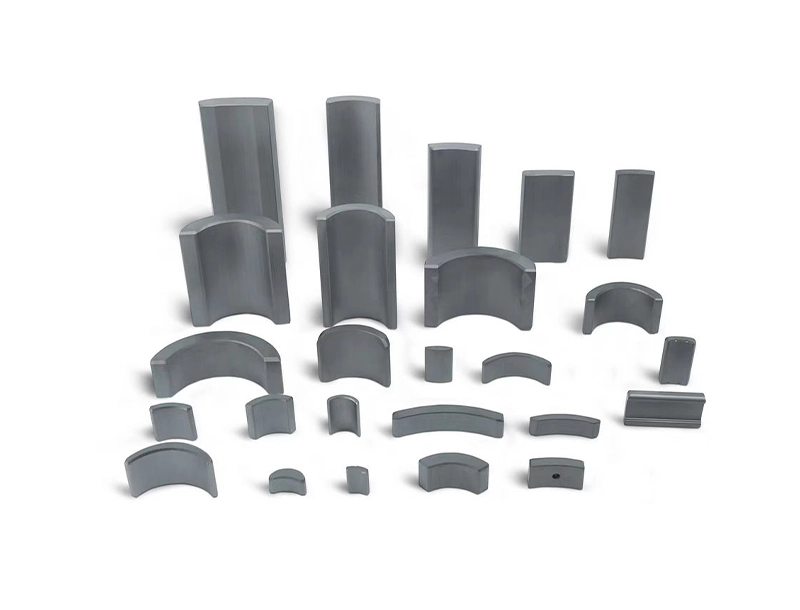
မော်တာသံလိုက်အပိုင်းအစများခြင်းရဲ့ လုပ်ဆောင်ချက်က ဘာလဲ။ အပိုင်းအစများလေ torque ပိုများလေလား။
၂၀၂၆ ခုနှစ် ဇွန်လ ၆ ရက်
မော်တာအမျိုးမျိုးတွင် အမြဲတမ်းသံလိုက်များအတွက် လိုအပ်ချက်များ မတူညီကြပါ။
မော်တာ ferrite arc သံလိုက်များအတွက် အချို့က အပိုင်း ၈ ပိုင်း splicing ကို အသုံးပြုကြပြီး အချို့က အပိုင်း ၁၀ ပိုင်း အသုံးပြုကြပြီး အချို့က အပိုင်းများ ပိုမိုအသုံးပြုကြသည်။
အဖြစ်များသော အထင်အမြင်လွဲမှားမှုတစ်ခုရှိသည်-
သံလိုက်အပိုင်းအစများ ပိုများခြင်းသည် မော်တာ torque ကို ပိုမိုမြင့်မားစေပါသလား။
တကယ်တော့ သံလိုက်အပိုင်းအစများ ပိုများခြင်းသည် torque ပိုမိုမြင့်မားခြင်းနှင့် ညီမျှခြင်းမဟုတ်ပါ။
rotor ပေါ်ရှိ arc သံလိုက်အပိုင်းအစများ ပိုများလေ၊ ပြီးပြည့်စုံသောစက်ဝိုင်းနှင့် ပိုမိုနီးကပ်လေဖြစ်ပြီး လေကွာဟချက်ကို ပိုမိုညီညာစေသည်။
၎င်းသည် ပိုမိုချောမွေ့သော သံလိုက်စက်ကွင်းအကူးအပြောင်း၊ ပိုမိုတည်ငြိမ်သော မော်တာလည်ပတ်မှု၊ torque output ညီမျှခြင်းနှင့် တုန်ခါမှုနှင့် ဆူညံသံနည်းပါးခြင်းကို သေချာစေသည်။
မော်တာ torque ကို rotor သံလိုက်စက်ကွင်းနှင့် stator coil field တို့၏ ပေါင်းစပ်လုပ်ဆောင်ချက်မှ ထုတ်ပေးသည်-
✅ သံလိုက်စွမ်းဆောင်ရည်- ferrite အဆင့် (Y30/Y35/Y40)၊ သံလိုက်အမြင့်နှင့် အထူပေါ်တွင် မူတည်သည်။
✅ Stator စွမ်းဆောင်ရည်- ဆီလီကွန်သံမဏိပစ္စည်း၊ coil လှည့်ခြင်းနှင့် slot filling rate ဖြင့် ဆုံးဖြတ်သည်။
coil လှည့်ခြင်းနှင့် ကြေးနီအပြည့် winding များသည် တူညီသော current အောက်တွင် torque ပိုမိုမြင့်မားစေပါသည်။
သံလိုက်အပိုင်းအစများ အရေအတွက်သည် အဓိကအားဖြင့် pole pair များ၊ လည်ပတ်မှုတည်ငြိမ်မှု၊ ဆူညံသံနှင့် မြန်နှုန်းလက္ခဏာများကို သက်ရောက်မှုရှိပြီး
၎င်းသည် မော်တာ torque ကို တိုက်ရိုက်ဆုံးဖြတ်ခြင်းမဟုတ်ပါ။
Pole pair ဒီဇိုင်းသည် အဓိကအားဖြင့် အနိမ့်အမြန်နှုန်းနှင့် မြင့်မားသောအမြန်နှုန်းစွမ်းဆောင်ရည်ကို ချိန်ညှိရန်ဖြစ်ပြီး၊ ပိုမိုအားကောင်းသောပါဝါအတွက် သံလိုက်အပိုင်းအစများကို အားကိုးရုံသက်သက်မဟုတ်ပါ။
Low pole pair မော်တာများသည် များသောအားဖြင့် arc tile ferrite သံလိုက်များကို အသုံးပြုလေ့ရှိပြီး ၎င်းတို့သည် rotor ဖွဲ့စည်းပုံနှင့် ကိုက်ညီပြီး လေကွာဟချက်ကို အကောင်းဆုံးဖြစ်အောင်ပြုလုပ်ကာ သံလိုက်ယိုစိမ့်မှုကို လျှော့ချပေးပြီး မော်တာစွမ်းဆောင်ရည်ကို မြှင့်တင်ပေးကာ torque မြင့်မားမှုကိုသာ အာရုံစိုက်ပါသည်။
� Gaomu Magnet
အပြည့်အဝ arc ferrite မော်တာသံလိုက်များ၏ ပရော်ဖက်ရှင်နယ် ထုတ်လုပ်သူနှင့် ပေးသွင်းသူ။
စိတ်ကြိုက်နမူနာယူခြင်းနှင့် OEM ဈေးနှုန်းများ ရရှိနိုင်ပါသည်။
� ဆက်သွယ်ရန်: shirley@gaumumagnet.com
话题标签#FerriteMagnet 话题标签#ArcFerriteMagnet 话题标签#MotorMagnet 话题标签#ElectricMotor 话题标签#မော်တာ话题标签#MotorParts 话题标签#PermanentMagnet 话题标签#GaomuMagnet
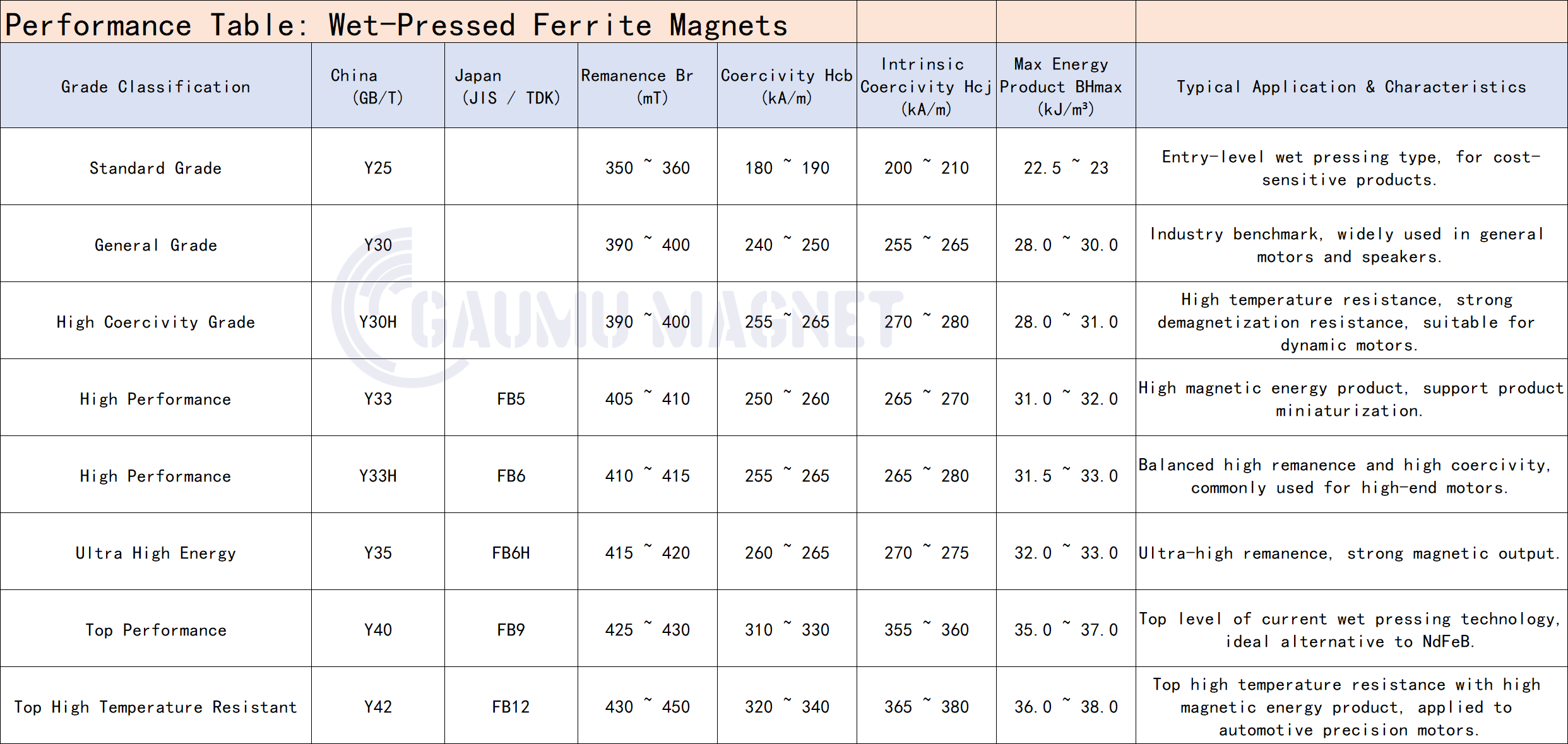
အကောင်းဆုံး ကိုးကားလမ်းညွှန်- စိုစွတ်သော ဖိသိပ်ထားသော Ferrite Magnet အဆင့်များ
၂၀၂၆ ခုနှစ် ဇွန်လ ၃ ရက်
ကမ္ဘာလုံးဆိုင်ရာ သံလိုက်စံနှုန်းများကို လမ်းညွှန်ခြင်းသည် စိန်ခေါ်မှုတစ်ခု ဖြစ်နိုင်သည်။ သင်၏လက်ရှိ ပေးသွင်းသူသည် တရုတ် (GB/T)၊ ဂျပန် (JIS) နှင့် အမေရိကန် (MPIF/MMA) အဆင့်များအကြား ကွာခြားချက်များကို ရှင်းရှင်းလင်းလင်း သိရှိပါသလား။
Gaumu Magnet တွင်၊ ကျွန်ုပ်တို့သည် ပွင့်လင်းမြင်သာမှုနှင့် တိကျမှုကို ယုံကြည်ပါသည်။ ကျွန်ုပ်တို့၏ စိုစွတ်သောဖိထားသော ferrite သံလိုက်များအတွက် တိကျသော သတ်မှတ်ချက်များကို အသေးစိတ်ဖော်ပြထားသော ကျွန်ုပ်တို့၏ နောက်ဆုံးပေါ် စွမ်းဆောင်ရည်ဇယားကို မျှဝေရန် စိတ်လှုပ်ရှားမိပါသည်။
အဓိကအချက်များ-
✅ ကမ္ဘာလုံးဆိုင်ရာ ညီမျှမှုများ- Y30 မှ C8၊ Y33 မှ C10/C11 နှင့် အခြားအရာများကို ရှင်းလင်းစွာ မြေပုံဆွဲခြင်း။
✅ မြင့်မားသော စွမ်းဆောင်ရည် ဖြေရှင်းချက်များ- မြင့်မားသော အပူချိန်ပတ်ဝန်းကျင်များတွင် NdFeB စွမ်းဆောင်ရည်နှင့် ယှဉ်ပြိုင်ရန် ဒီဇိုင်းထုတ်ထားသော ကျွန်ုပ်တို့၏ ထိပ်တန်း Y40 & Y42 အဆင့်များကို ပါရှိသည်။
✅ အသေးစိတ် မက်ထရစ်များ- Remanence (Br) မှ Intrinsic Coercivity (Hcj) အထိ၊ သင်လိုအပ်သော ဒေတာကို ကျွန်ုပ်တို့တွင် ရှိပါသည်။
သင်သည် ကုန်ကျစရိတ်သက်သာသော စံအဆင့်များ သို့မဟုတ် မော်တော်ကားမော်တာများအတွက် အလွန်မြင့်မားသော စွမ်းအင်ဖြေရှင်းချက်များ လိုအပ်သည်ဖြစ်စေ၊ သင့်အသုံးချမှုအတွက် မှန်ကန်သော သံလိုက်ကို ကျွန်ုပ်တို့တွင် ရှိပါသည်။
ကိုးကားချက် သို့မဟုတ် နည်းပညာပံ့ပိုးမှု လိုအပ်ပါသလား။
shirley@gaumumagnet.com တွင် ကျွန်ုပ်ထံ တိုက်ရိုက်ဆက်သွယ်ပါ။ သင့်ပရောဂျက်အတွက် အကောင်းဆုံးဖြေရှင်းချက် အင်ဂျင်နီယာကို ရအောင်ယူပါ။
#Ferrite Magnets 话题标签#MagnetManufacturer 话题标签#AutomotiveIndustry 话题标签#Engineering 话题标签#GaumuMagnet 诇up签#Ingineering