
- 12th Ноябрь 2026
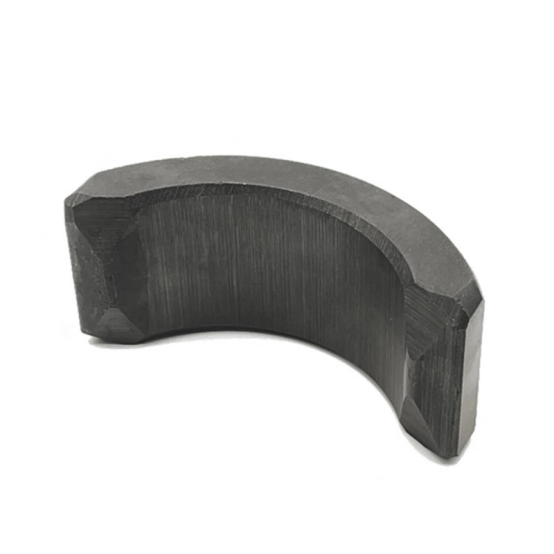
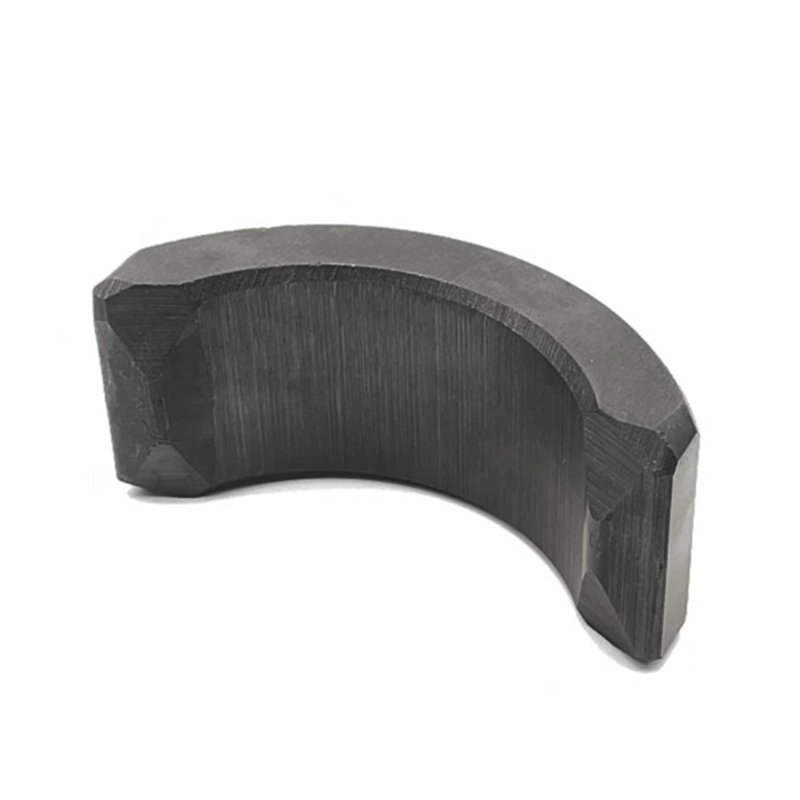
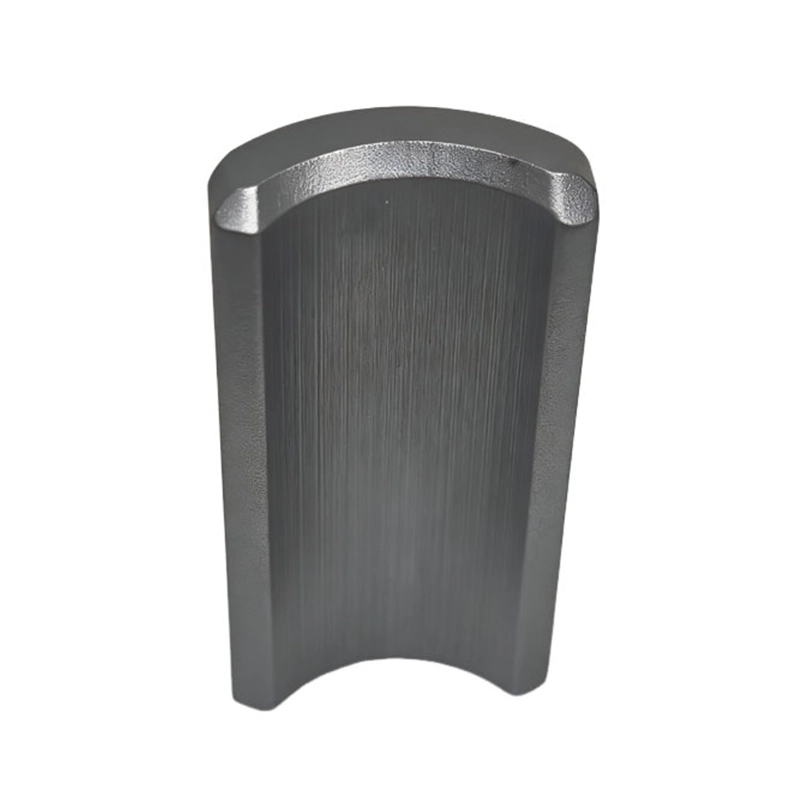
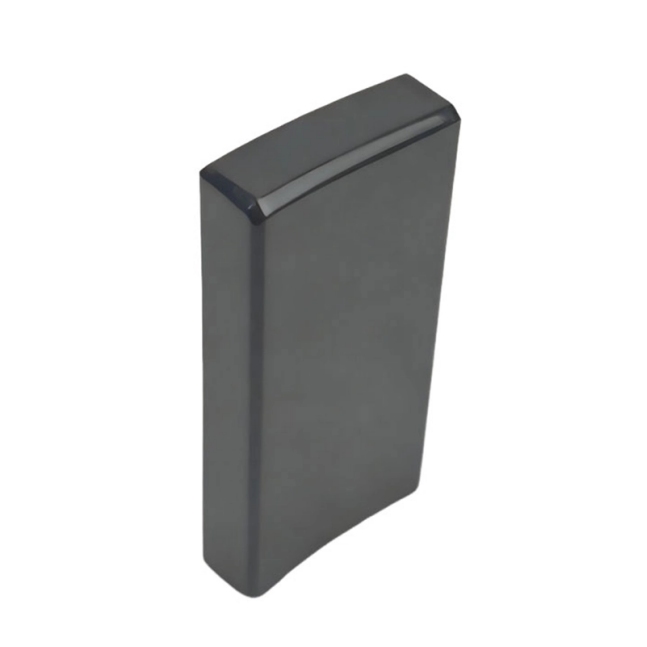
An arc magnet matches the curve of a motor rotor. This shape helps the magnetic field cross the air gap effectively. The identical basic form works for a small fan or a massive generator. However, the physical dimensions shift the design focus. A tiny segment has to fit into very strict clearances. It also must generate a strong field within a restricted area. Meanwhile, a massive magnet requires safe handling and secure retention. It also demands precise flux management over a broader rotor.
Engineers and purchasing managers must consider several factors. Material type, pole setup, and operating heat are highly important. Rotor dimensions and manufacturing quantities matter just as much as the magnet’s physical size. This article contrasts the two size categories. It also highlights the exact details to specify during the purchasing process.
Material Characteristics and Core Advantages
Numerous motor arcs utilize sintered ferrite. This is a ceramic permanent magnet created mostly from iron oxide blended with strontium or barium elements. The material is very rigid and offers high electrical resistance. Therefore, it successfully minimizes eddy-current heating within shifting magnetic fields. Furthermore, ferrite naturally fights off rust. It functions well in hot settings, provided you select the proper grade and magnetic circuit for those heat levels.
The primary drawback is its lower magnetic energy compared to rare-earth options. Consequently, a specific motor design might require a larger volume of magnet material. Ferrite is also quite fragile. Sudden impacts or unbalanced clamping forces can easily chip the edges. On the positive side, it delivers an affordable, rare-earth-free solution if the device has enough internal room. Please view our диапазон керамических ферритовых магнитов to see the material family commonly applied throughout motor projects.
How Arc Magnets Are Classified
Arc magnets, or segmented arc as some refer to it are characterized by so much more than just their outer diameter in your order — the mistakes that can be made here when designing with arc slice magnets in mind. Inner and Outer Radii in Technical Drawings: Inner R, Outer Р Also, they should note the arc angle, axial length overall thickness and specific material grade as well. Also most important is the tolerances and magnetisation details. In addition, a segment set needs to have certain most number of poles ( pole count ) and spacing between the successive units with respect to circle periphery i.e. polar pitch. The orientation of the energy like radial / tangential or alternating poles. All of these very specific factors contribute to how the individual components will perform within the rotor.
Size, pole arc, and magnetization
The pole arc refers to a part every pole could see the mantel through air space. This constitutes the magnetic flux in this region. This influences torque ripple and back electromotive force directly. It also affects physical vibration and acoustic noise. Just because you have a wider arc does not mean that it will be better. These include the size of air gap, wire winding pathway (along with its gauge), motor controller and etc.. The spaces between magnets and its polarities are as important – closer of distant, relative to the actual measurements of the segment within a multipole rotor.
This same curve accommodates both small and large rotors. The physical mass, speed of rotation and rate at which the heat transfer happens differ significantly. The forces involved in the assembly process are also different. Separating these size classes assists us in determining which design checks need to occur earlier. By treating these classes of sizes in isolation, we can determine the priority for which design checks are to follow each.
Where Small Arc Magnets Are Used
Small arc magnets fit perfectly into compact rotors. In these tiny devices, just a few millimeters of radial room can alter the entire build. You will find these parts inside miniature pumps, small fans, and compact actuators. They also power small BLDC motors found in household appliances, hand tools, and automotive subsystems. A very narrow air gap can generate a highly effective field from a standard segment. However, this tight space leaves almost zero room for dimension errors.
Consistency remains the top priority in these small applications. If a single segment is slightly thicker or placed incorrectly, the entire rotor might lose its balance. This flaw can easily cause uneven motor torque. Engineers must closely inspect the adhesive glue thickness. They should also verify sleeve clearance, housing gaps, and pole alignment. Checking the magnetic field strength near the sensor location is another vital step. Other available shapes include ferrite cylinder magnets and ferrite bar magnets. Nevertheless, these alternatives cannot directly replace an arc shape. The rotor’s magnetic circuit and physical structure must perfectly match the selected magnet style.
Where Large Arc Magnets Are Used
Larger arcs are highly suitable for motors featuring wider rotors or an extended active length. This group includes heavy industrial drives, large generators, and certain automotive motor systems. Their curved surfaces wrap around a larger rotor core. This design spreads the magnetic material evenly along the outer edge. Such a layout helps construct a strong motor using standard ferrite. This success happens as long as the entire magnetic circuit possesses sufficient volume. The rotor must also be built to handle the expected mechanical load.
Because these parts are heavy and the rotors spin very fast, keeping the magnets securely attached becomes a massive challenge. The finished assembly has to survive strong centrifugal forces. It must endure heavy vibrations and extreme heat shifts without cracking the ceramic body. A metal housing, a tight sleeve, strong adhesive, or special mechanical locks can hold the segments in place. Strict balance checks and performance trials will confirm the rotor’s safety. GAUMU MAGNET’s применение в автомобильных двигателях display one specific sector relying on ferrite motor materials. The exact arc sizes and material grades will always depend on the unique project design.
Main Advantages and Practical Limits by Size
The physical size alters how the properties of ferrite impact the manufacturing stage. Small arcs react heavily to strict measurement limits. On the other hand, large arcs can make magnetic coverage easier, but they demand highly secure mounting methods. Both categories require a clearly stated magnetic direction. They also need thorough testing at a realistic air gap distance.
Small segments: highly useful for compact drives and sensor-linked motors. Buyers must pay strict attention to exact placement, tight size limits, and safe assembly clearance.
Large segments: very helpful when abundant rotor space exists. Engineers must carefully evaluate rotor durability, secure retention methods, spin balance, and the entire flux pathway.
Both sizes: these can supply excellent rust resistance and keep project costs low. However, they stay quite fragile and yield less magnetic power compared to rare-earth choices.
Thermal performance: always pick a material grade based on the real working heat and maximum peak temperatures. Do not rely on a generic material name alone.
For instance, a treadmill magnet might have to endure very long running times. Meanwhile, a simple household fan could be much more sensitive to loud sounds and poor rotor balance. A designer never selects either option based purely on the outside diameter.
Тенденции в отрасли влияют на выбор магнитов.
The push for electrification is bringing new motors and generators into public transport, modern buildings, daily appliances, and heavy factory machines. Simultaneously, global manufacturers are watching critical-mineral supply chains and sudden price jumps very closely. The International Energy Agency’s Global Critical Minerals Outlook 2025 examines future supply estimates. It also looks at the geographic focus of global mining and material refining, which includes rare-earth elements. This situation makes rare-earth-free ferrite a very smart choice for particular builds. It is not, however, a perfect substitute for every single project.
Motor designers are actively trying to cut down on energy waste and loud mechanical noises. Better magnetic-circuit software, precise controller adjustments, and smart pole-arc choices provide huge benefits. These tools can help a standard ferrite motor reach its performance goals without just making every component bigger. The best strategy focuses on the specific application first. You should compare the power output, available rotor space, safe heat limits, expected lifespan, and supply chain risks before finalizing the magnet material.
Selecting and Sourcing the Right Arc Magnet
A strong request for quotation links the technical drawing directly to the motor’s real working environment. Please include the following details. This information allows the supplier to evaluate the physical part and the testing method at the same time:
Exact rotor dimensions, inner and outer radii, axial length, arc angle, and acceptable size limits
Specific ferrite grade or desired magnetic strength values. Also include the pole count, exact magnetization direction, and pole arc size
The lowest, average continuous, and highest peak temperatures. Mention any loads that might cause demagnetization
The target air gap size, connecting steel components, planned retention strategy, preferred adhesive, and spin balance rules
The final application type, expected yearly order quantity, sample requests, and the planned factory inspection tool
You must list conductive metal components separately from the actual magnet. For example, a C2680 brass strip might act as an electrical contact or a shaped structural piece. Engineers often compare material C2680 and various other copper alloy strips based on their temper, metal thickness, and electrical conductivity. They also check the safe bend radius and preferred welding method. A specialized high performance alloy strip could fit completely different physical or heat-related needs. These metal parts physically support the structure. They do not handle the magnetic duties of the arc.
Here at GAUMU MAGNET, we specialize in ceramic ferrite magnets built for motor uses. Our main product pages detail solutions for automotive, household appliance, and power tool motors. We also cover BLDC, heavy generator, and fitness equipment motors. The extensive ассортимент продукции serves as a great starting point for any new project talk. The GAUMU MAGNET engineering team can happily review your project brief. Simply provide a drawing, the expected duty cycle, and your testing rules. We will then figure out exactly what needs checking before mass production begins.
Заключение
Large and small arc magnets share the identical curved shape. Nevertheless, they fix entirely different motor engineering challenges. Small segments easily fit into tight rotors. They require very strict management of spacing, pole placement, and spin balance. On the flip side, larger segments power heavy motors and massive generators holding plenty of internal room. These bigger parts introduce tough requirements for safe mounting, careful handling, and deep mechanical testing. Ferrite successfully blends great heat endurance and rust defense with low costs and steady availability. Designers simply must account for its lower magnetic strength and fragile nature during the planning phase. A highly detailed drawing needs to show the pole arc, magnetic direction, material grade, heat limits, and testing rules. Motor electrification continues to expand rapidly globally. Meanwhile, critical-mineral availability stays a major concern. Because of these facts, smartly designed ferrite arcs remain a highly practical option whenever the machine has enough physical space.
Часто задаваемые вопросы
Q: Are large arc magnets for motors stronger than small ones?
A: This is not automatically true. The final power output relies heavily on the material grade and total volume. The pole layout, air gap distance, and the motor’s complete magnetic circuit matter greatly.
Q: What does pole arc affect in a motor?
A: It carefully shapes the air-gap magnetic flux. This detail can heavily impact torque ripple and back-EMF levels. It also alters running noise and physical vibration.
Q: Can ceramic ferrite magnets work in treadmill motors?
A: Absolutely. Ferrite motor magnets function perfectly inside fitness equipment. This success simply depends on the exact motor dimensions and the daily workload rules.
Оглавление
Последние публикации
How Are Large and Small Arc Magnets Used in Different Applications?
Часто задаваемые вопросы
Какая информация нам необходима перед составлением коммерческого предложения на магниты?
2) Размеры, форма и допуски на магниты обычно составляют +/- 0,1 мм. Международный допуск составляет +/- 0,1 мм.
4) Направление намагниченности
5) Требуемое количество.
6) Применение магнитов