
- 24th September 2026
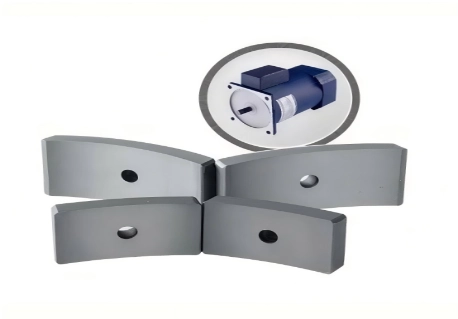
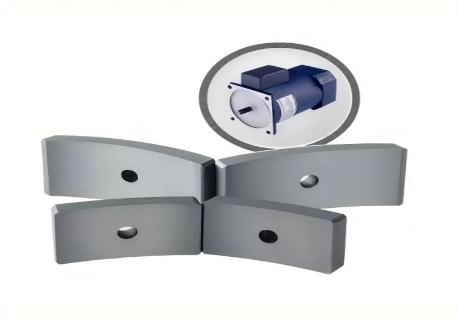
Ferrite block magnets are quiet workhorses in industrial and motor systems. They do not always look complex, but their role can be serious: holding, driving, sensing, guiding, separating, or helping a motor keep stable output. For engineers and buyers, the question is not simply “How strong is the magnet?” A better question is, “Will this magnet work well in my product, at my cost target, and over the full service life?” At အရသာသံလိုက်, we see ferrite block magnets as practical parts for real machines, not just catalog items.
Why Ferrite Block Magnets Still Matter
Industrial equipment is changing fast. Motors are expected to run longer, waste less power, and survive tougher working conditions. At the same time, many buyers want lower material risk and better cost control. Ferrite block magnets fit this market well because they combine stable supply, good heat behavior, corrosion resistance, and a friendly price level.
Material base and ceramic structure
Ferrite is a ceramic permanent magnet made mainly from iron oxide with strontium or barium compounds. This ceramic structure gives it a hard body, high electrical resistance, and natural resistance to corrosion. In many industrial systems, that is a strong advantage because the magnet may face dust, moisture, heat, or vibration.
Compared with some higher-strength magnet materials, ferrite may need more space to produce the same magnetic effect. But in systems where there is enough room, ferrite often gives better cost balance. That is why it remains common in motors, speakers, holding tools, separators, sensors, and production equipment.
Stable work in heat and outdoor conditions
Industrial and motor systems often face long running hours. A magnet may sit near warm coils, moving parts, or metal frames. Ferrite block magnets can handle medium to high-temperature environments better than many buyers expect. Their natural anti-rust behavior also reduces the need for complex coating in many uses.
This makes them useful for outdoor equipment, appliances, field machines, and factory devices where the working condition is not gentle. A magnet that stays stable over time helps reduce noise, weak output, and unexpected maintenance.
Core Advantages in Motor and Industrial Design
Ferrite block magnets are chosen for more than price. Their rectangular shape gives designers a simple, useful field path. They are easy to place in fixtures, holders, brackets, and some magnetic circuits. For many industrial teams, that simplicity saves time during production and repair.
Cost control for large-volume projects
Ferrite is one of the most cost-effective permanent magnet materials. That matters in motors, tools, appliances, and industrial parts produced in large quantities. Even a small saving per part can become meaningful when production reaches thousands or millions of pieces.
The 2026 IEA rare earth report notes that magnet rare earth supply chains remain concentrated, and export controls in 2025 brought sourcing risk into sharper focus. For many buyers, this makes rare-earth-free ferrite magnets more attractive where the design allows it. Ferrite is not a cure for every problem, but it gives a stable material route for many practical systems.
Good resistance to corrosion and demagnetization
Ferrite block magnets do well in damp or dusty spaces because the material itself is less prone to corrosion. They also provide useful coercivity, which helps resist demagnetization in many motor and holding applications. This is important in systems that start, stop, vibrate, or face sudden load changes.
For example, a factory conveyor magnet, a holding fixture, and a small motor all need steady magnetic behavior. If the field weakens too quickly, performance drops. Ferrite helps avoid that problem when the grade and geometry are selected correctly.
Simple shape, wide design freedom
The block shape is easy to mount, stack, bond, or combine with steel parts. It also fits many magnetic assemblies where a flat contact surface is useful. Engineers can adjust length, width, thickness, magnetization direction, and grade to match the product.
GAUMU MAGNET can customize permanent magnets based on composition, magnetic properties, shape, and size. Our ထုတ်ကုန်များ include ceramic ferrite magnets and metallic materials for motor and industrial customers.
Product Classification and Selection Points
Ferrite block magnets are part of a wider ferrite family. Choosing the right form means looking at the whole device, not only the magnet itself. Shape, air gap, target force, temperature, tolerance, and assembly method all matter. A flat block may be ideal in one system, while an arc, ring, or cylinder may be better in another.
Block, bar, and rectangular ferrite magnets
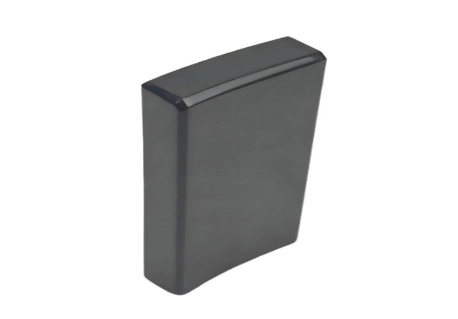
Block magnets have a flat rectangular body. They are common in holding systems, magnetic separators, lifting aids, sensors, and some motor-related structures. Bar magnets are similar but usually longer and narrower. Both are easy to install and useful where the magnetic field needs to cover a straight working area.
Typical uses include:
- Magnetic separators for metal removal
- Holding fixtures and positioning tools
- Speakers and audio parts
- Industrial sensing parts
- Educational and testing equipment
- Motor support structures and custom assemblies
Arc, ring, and cylinder magnets
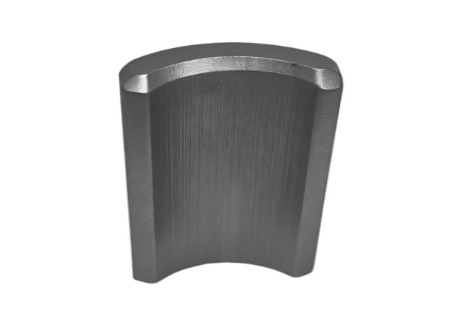
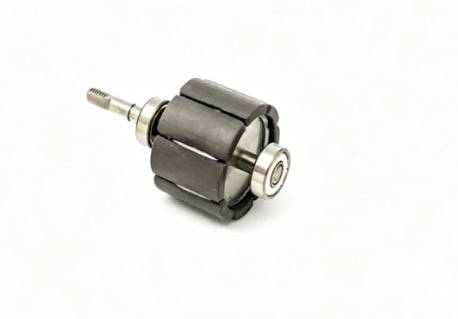
Not every motor uses a block magnet. Arc magnets are common when the field must follow a curved motor path. In those cases, the pole arc affects torque, noise, and field distribution. Ring magnets support circular designs, while ferrite cylinder magnets are useful in sensors, small drives, and rotating parts.
For industrial motor projects, engineers often compare several shapes before sampling. A block magnet may be better for a flat assembly. An arc magnet may be better for a DC motor. A ring or cylinder may be better for rotation sensing.
Ceramic ferrite magnets by grade
Different ferrite grades offer different levels of remanence, coercivity, and energy product. For motor systems, buyers often care about stable flux, anti-demagnetization behavior, and batch consistency. For holding or separation systems, pull force and contact area may matter more.
GAUMU MAGNET provides ferrite materials for power tool motors, automotive motors, household appliance motors, fitness equipment, generators, and magnetic transmission systems. Our general motor and generator magnets show how ferrite can serve practical rotating equipment.
Main Industrial and Motor Applications
Ferrite block magnets appear across many sectors because they are simple, durable, and cost-friendly. They are not always the smallest option, but they are often the sensible one. For buyers who need steady supply and predictable cost, ferrite block magnets can be a very strong choice.
Industrial holding and separation systems
One of the most common uses is holding and separation. Ferrite block magnets can be built into magnetic plates, grids, tool holders, and separator units. In factories, they help remove iron particles from materials, hold workpieces in place, or guide parts through a process.
These systems do not always need the highest magnetic grade. They need steady force, a suitable shape, and long service life. Ferrite performs well in that space.
Motors, pumps, fans, and power tools
Motor systems need magnets that can survive vibration, heat, and repeated use. Ferrite block magnets may be used in certain motor structures or supporting assemblies, while ferrite arc magnets are often used in curved motor cavities. The material choice still follows the same logic: cost, heat resistance, magnetic stability, and available space.
The IEA Energy Efficiency 2025 report notes that more efficient motors are an important way to improve energy use in less energy-intensive industries. That trend keeps attention on motor materials, including ceramic ferrite magnets for cost-sensitive and high-volume applications.
Generators and outdoor equipment
Outdoor machines, field power units, pumps, and portable generators need parts that can work under changing temperature and load. Ferrite magnets are useful here because they resist corrosion and keep stable magnetic behavior. In larger structures, the extra space needed for ferrite is often acceptable.
For some generator-related designs, a ceramic permanent magnet can be a practical choice when the magnetic circuit is designed around it from the start.
Electronic and metal material assemblies
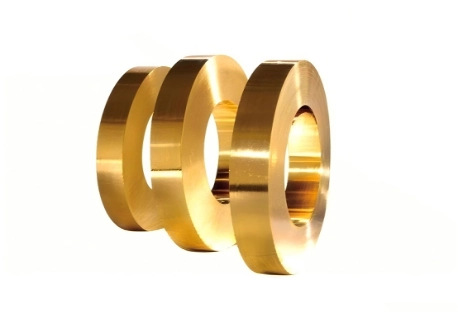
In many products, magnets work beside conductive or structural materials. That is where parts such as c2680 brass strip, material C2680, and high performance alloy strip may enter the larger assembly plan. For example, brass strip C2680 is used in electronics, appliances, telecommunications, and automotive radiator tubes.
GAUMU MAGNET also supplies non-ferrous metal materials, so we can support customers who need both magnetic parts and related metal strip materials in one sourcing discussion.
How to Choose a Ferrite Block Magnet Supplier
A good supplier should ask about the final application before quoting. Size alone is not enough. The supplier should understand working temperature, target force, tolerance, magnetization direction, and whether the magnet will be bonded, clamped, or built into a larger magnetic circuit.
Useful details to prepare include:
- Material grade or magnetic performance target
- Length, width, thickness, and tolerance
- သံလိုက်စီးဆင်းမှု ဦးတည်ချက်
- Working temperature
- Quantity and annual demand
- Drawing, sample, or assembly photo
- Application details and test method
At GAUMU MAGNET, we focus on practical matching. We are not only selling ferrite block magnets; we help customers choose a material and shape that fit the system.
နိဂုံးချုပ်
Ferrite block magnets are widely used in industrial and motor systems because they offer a strong balance of cost, heat resistance, corrosion resistance, and stable supply. They are useful in holding tools, separators, sensors, speakers, pumps, fans, power tools, generators, and many magnetic assemblies. As electrification grows and rare earth supply risk stays in the spotlight, ferrite remains a practical option for many designs. The best result comes from matching the magnet shape, grade, tolerance, and magnetization direction to the real working condition. For buyers and engineers, that careful match is where long-term value begins.
မကြာခဏမေးလေ့ရှိသောမေးခွန်းများ
Q: Where are ferrite block magnets commonly used?
A: Ferrite block magnets are used in separators, holders, sensors, motors, speakers, and magnetic assemblies.
Q: Are ferrite block magnets good for motor systems?
A: Yes. They suit many motor systems when space, grade, and magnetic design match.
Q: Can GAUMU MAGNET customize ferrite block magnets?
A: Yes. We customize size, shape, grade, tolerance, and magnetization direction.
မာတိကာ
မကြာသေးမီက ပို့စ်များ
Why Arc Ferrite Magnets Are Ideal for Rotational Motors
Ceramic Disc Magnet Manufacturer | Custom Ferrite Magnets
Ferrite Block Magnets Manufacturer | Custom Industrial Motor Magnets
အမြဲမေးလေ့ရှိသောမေးခွန်းများ
သံလိုက်အတွက် ဈေးနှုန်းကိုးကားချက်မပြုလုပ်မီ ကျွန်ုပ်တို့လိုအပ်သော အချက်အလက်များကား အဘယ်နည်း။
၂) အရွယ်အစားနှင့် ပုံသဏ္ဍာန်၊ နှင့် သံလိုက်ခံနိုင်ရည်များ၊ ပုံမှန်အားဖြင့် နိုင်ငံတကာခံနိုင်ရည်မှာ +/- ၀.၁ မီလီမီတာ ဖြစ်သည်။
၄) သံလိုက်ဦးတည်ချက်
၅) လိုအပ်သော ပမာဏများ။
၆) သံလိုက်အသုံးချမှု