
- 10th julio 2026
En la producción industrial global, la elección de imanes está directamente relacionada con factores como el costo, el rendimiento, la estabilidad del suministro y la durabilidad del producto. Un imán puede parecer un componente menor, pero influye en la velocidad del motor, la potencia de salida, los niveles de ruido, la gestión térmica y la fiabilidad a largo plazo.
Esto explica por qué los imanes de ferrita siguen utilizándose ampliamente en numerosas industrias. También conocidos como imanes de ferrita cerámica, ofrecen un rendimiento magnético estable, una sólida resistencia al calor, una gran resistencia a la corrosión y menores costes de material. Para muchos fabricantes, la ferrita representa más que una opción tradicional; constituye una solución práctica para la producción a gran escala.
En IMÁN DEL GUSTOOfrecemos soluciones integrales de materiales magnéticos para aplicaciones en motores. Nuestros imanes de ferrita se utilizan en motores de automóviles, electrodomésticos, herramientas eléctricas, sistemas de control industrial, equipos de fitness, generadores y otros sectores industriales. También ofrecemos producción a medida según las necesidades específicas de composición, rendimiento magnético, forma y tamaño.
Características materiales de los imanes de ferrita
Composición cerámica y estructura estable
Los imanes de ferrita se componen principalmente de óxido de hierro combinado con carbonato de estroncio o carbonato de bario. Los fabricantes los crean mediante un proceso cerámico y sinterización a alta temperatura. Este proceso da como resultado un imán permanente duro y estable. A diferencia de los imanes metálicos, los imanes de ferrita presentan una estructura cerámica. Son duros, frágiles y naturalmente resistentes a la oxidación.
Esta estructura ofrece varias características prácticas:
- Buena resistencia a la corrosión
- Rendimiento estable en muchos entornos de trabajo.
- Gran ventaja en costes para la producción en masa.
- Buena resistencia al calor
- Larga vida útil en aplicaciones adecuadas.
Los imanes de ferrita cerámica tienen un rango de temperatura de funcionamiento típico de -40 °C a 250 °C, que varía según el tipo de material y la aplicación. Con un diseño estructural adecuado, pueden soportar temperaturas transitorias más elevadas. Su temperatura de Curie es de aproximadamente 440–460 °C, con un promedio de alrededor de 450 °C. Gracias a esta excelente resistencia al calor, son ideales para motores que generan calor continuo durante largos periodos de funcionamiento.
Ferrita anisotrópica para un mejor rendimiento del motor.
Los imanes de ferrita se dividen en dos categorías: isotrópicos y anisotrópicos. Los imanes de ferrita isotrópicos permiten la magnetización en diversas direcciones, pero su fuerza magnética tiende a ser menor. Los imanes de ferrita anisotrópicos se forman bajo la acción de un campo magnético, por lo que sus granos se alinean en una sola dirección.
En la fabricación de motores, los imanes de ferrita de estroncio anisotrópicos suelen ser los preferidos. Ofrecen un mayor rendimiento magnético, una coercitividad mejorada y un flujo magnético más uniforme. Estas cualidades resultan importantes para motores de automóviles, motores de ventilador BLDC, motores de herramientas eléctricas y motores de electrodomésticos.
Principales ventajas de los imanes de ferrita
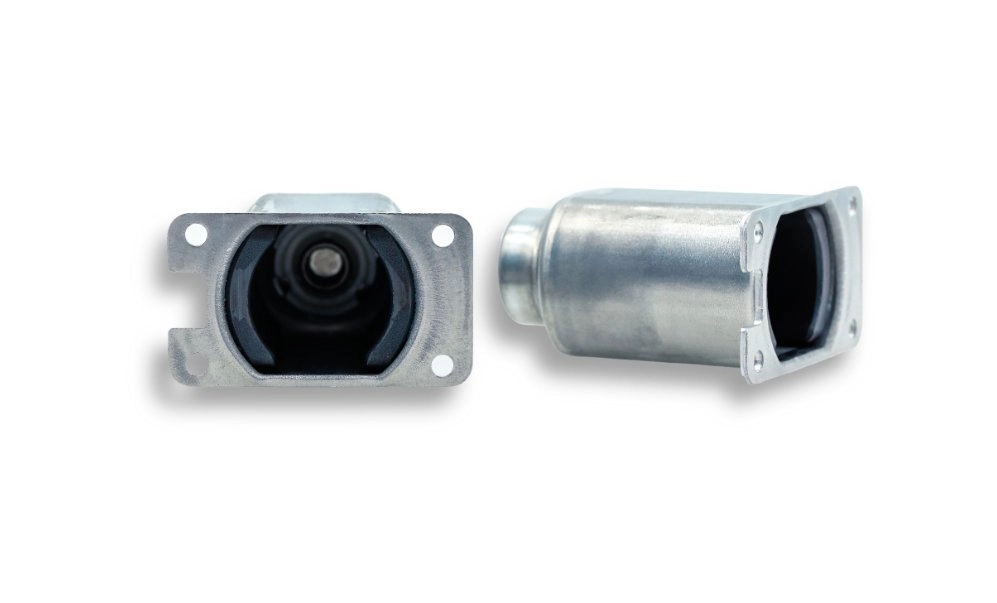
Los usuarios industriales eligen imanes de ferrita no solo por su asequibilidad, sino también porque la ferrita permite diseños estables, una producción fiable y una planificación de costes eficaz a largo plazo. En un mercado competitivo, el material adecuado suele proporcionar resultados fiables y evita problemas de suministro o de precio.
Rentable para la producción de alto volumen
Una de las principales ventajas de los imanes de ferrita reside en el control de costes. Los materiales de ferrita se basan en materias primas más comunes que muchos imanes de tierras raras. Este enfoque ayuda a los fabricantes a reducir los costes de los materiales. Además, disminuye la exposición a fluctuaciones significativas de precios en series de producción prolongadas.
Los imanes de ferrita suelen aparecer en:
- motores auxiliares para automóviles
- Motores de ventiladores de aire acondicionado
- motores de lavadoras
- motores de herramientas eléctricas
- Motores de cintas de correr
- pequeños motores de accionamiento industrial
- Sistemas de transmisión magnética
- Generadores para exteriores y motores relacionados con la carga.
Para estos productos, los objetivos de diseño típicos incluyen un funcionamiento estable, potencia adecuada, tamaño aceptable y un coste razonable. Los imanes de ferrita satisfacen eficazmente estas necesidades. En ciertos proyectos de imanes para altas temperaturas, GAUMU MAGNET ha priorizado la reducción de costes. Al mismo tiempo, la empresa mantiene un rendimiento estable de sus productos para clientes industriales.
Resistencia al calor, resistencia a la corrosión y antidesmagnetización.
Muchos productos industriales funcionan en entornos cálidos o con temperaturas variables. Los motores de los automóviles, los aires acondicionados, las herramientas eléctricas y los generadores suelen funcionar durante periodos prolongados, lo que provoca una acumulación de calor durante su uso. Los imanes de ferrita mantienen propiedades magnéticas estables en diversas condiciones de temperatura media y alta.
Además, ofrecen una buena resistencia a la corrosión. En numerosas aplicaciones, los imanes de ferrita no requieren recubrimientos ni chapados complejos. Esta ventaja simplifica los procesos de producción, reduce los riesgos de calidad y ayuda a controlar los costes generales.
El imán de Gaumu imán de ferrita cerámica Estos productos tienen una amplia aplicación en motores de imanes permanentes para automóviles, motores de electrodomésticos de bajo consumo, motores industriales, herramientas eléctricas, sistemas de transmisión magnética, equipos de fitness y generadores digitales.
Principales tipos de imanes de ferrita
imanes de arco de ferrita
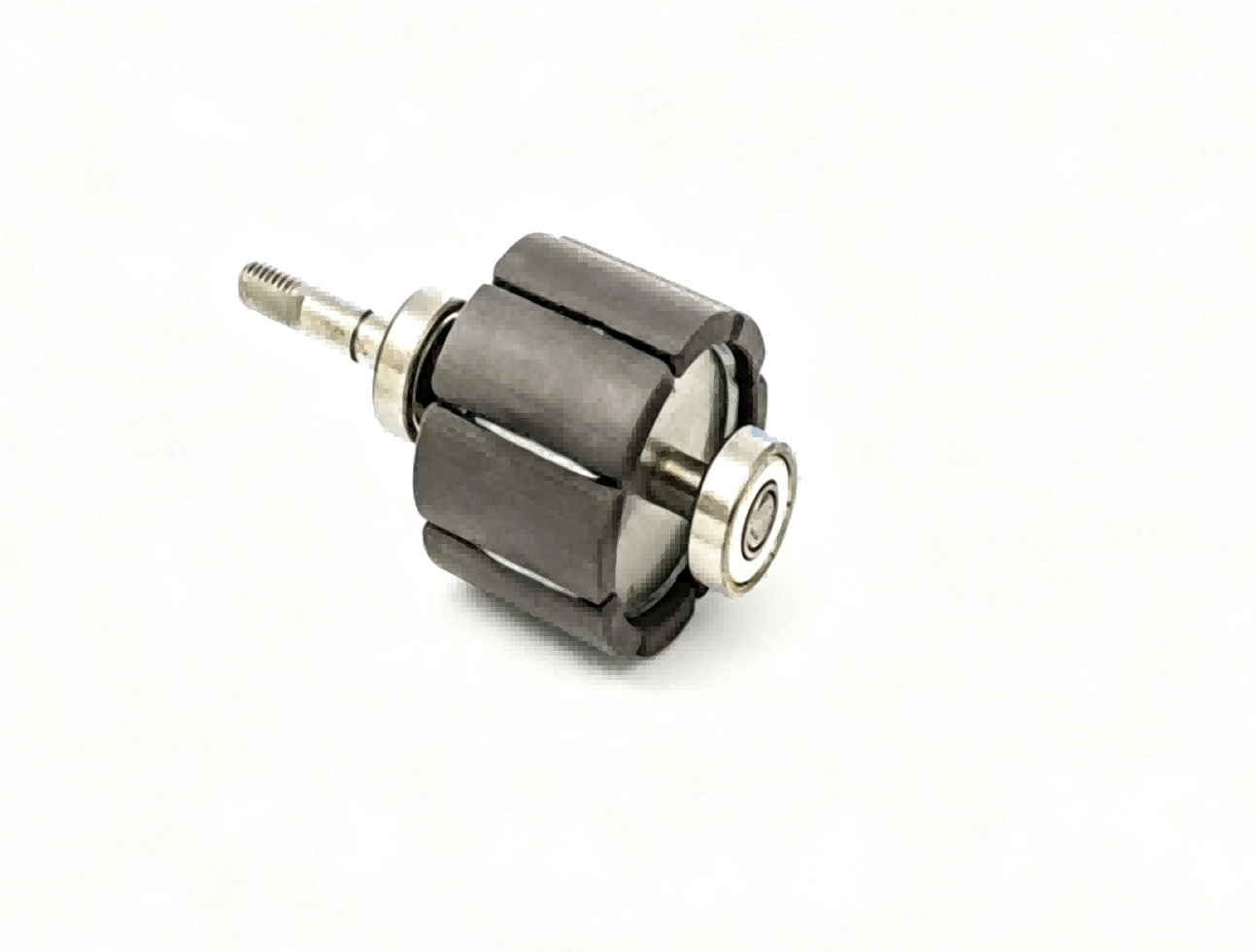
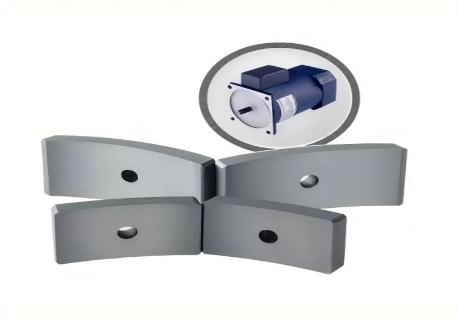
Los imanes de arco de ferrita se encuentran entre los tipos más esenciales para aplicaciones en motores. Su forma curva se adapta a la estructura redonda de los motores, lo que ayuda a generar un campo magnético estable.
Estos imanes se utilizan comúnmente en motores de CC, motores BLDC, motores auxiliares de automoción, motores de ventilador, motores de arranque, motores de bombas y motores de herramientas eléctricas. Un imán de arco de ferrita fiable requiere una curvatura precisa, un tamaño uniforme, un grado magnético adecuado y una superficie impecable.
GAUMU MAGNET suministra soluciones de imanes de arco de ferrita centradas en motores. Estas incluyen: imanes de arco de ferrita de estroncio anisotrópicos prensados en húmedo Para rotores de ventiladores BLDC de aires acondicionados inverter. Los productos buscan un flujo estable, ruido reducido y resistencia térmica efectiva.
Imanes de ferrita anulares, en bloque, segmentados y personalizados
Además de los imanes de arco, los imanes de ferrita pueden presentarse en forma de anillos, bloques, barras, discos, segmentos, baldosas y formas especiales. Estos elementos se utilizan en sensores, soportes magnéticos, altavoces, separadores, acoplamientos, generadores y diversos dispositivos industriales.
Los imanes de ferrita personalizados resultan especialmente útiles cuando el producto del cliente cuenta con una carcasa o un circuito magnético únicos. En GAUMU MAGNET, nuestros productos se fabrican según los planos o muestras del cliente. Para los imanes en forma de arco, las dimensiones importantes suelen incluir el radio interior, la longitud de la cuerda, la altura axial y la altura del arco.
Principales industrias de aplicación
Los imanes de ferrita se utilizan en numerosas industrias debido a su fiabilidad, asequibilidad e idoneidad para la producción en masa. Sus ventajas se hacen más evidentes cuando los compradores analizan las categorías específicas de motores, en lugar de solo los datos del material. Las distintas aplicaciones requieren grados magnéticos, intensidad de campo, niveles de resistencia a la desmagnetización y estabilidad térmica específicos.
Industria automotriz
Los vehículos modernos incorporan numerosos motores pequeños y medianos. Algunos ejemplos son los motores de elevalunas, asientos, espejos, ventiladores, bombas, cerraduras, techos corredizos y limpiaparabrisas. Muchos de estos sistemas no requieren la máxima potencia magnética, sino un rendimiento constante y un control de costes eficaz.
Los imanes de ferrita son ideales para sistemas auxiliares de automoción. Ofrecen una sólida resistencia al calor, una salida magnética estable y claras ventajas en cuanto a costes. Motor de elevalunas Arco Imán de ferrita de estroncio Está diseñado para aplicaciones en motores de automoción que requieren durabilidad y resistencia a la desmagnetización.
En aplicaciones de motores automotrices, el GC-5H se utiliza con frecuencia. Ofrece un magnetismo residual equilibrado y una coercitividad intrínseca óptima. Un diseño de circuito magnético más sinusoidal puede mejorar aún más el rendimiento de los motores de ventanas, asientos y techos corredizos.
Electrodomésticos y motores de climatización
Los aires acondicionados, ventiladores, lavadoras, refrigeradores y aspiradoras dependen de motores fiables. Los imanes de ferrita se utilizan ampliamente en estos aparatos, ya que favorecen un funcionamiento silencioso, una rotación constante y una producción económica.
Para motores de electrodomésticos y herramientas eléctricas, los modelos más comunes son el 380, 390, 395, 540, 550, 750 y 775. El grado GC-2 cumple con muchos requisitos estándar. El grado GC-9B puede seleccionarse cuando se requiere un mayor rendimiento.
Herramientas eléctricas, equipos de fitness y generadores
Las herramientas eléctricas y los pequeños dispositivos industriales requieren motores que soporten variaciones de carga, vibraciones y funcionamiento repetitivo. Los imanes de ferrita ofrecen una opción práctica para taladros eléctricos, herramientas de corte, bombas, herramientas de jardinería y equipos similares.
Los motores de equipos de fitness y cintas de correr suelen emplear componentes magnéticos de ferrita de tamaño mediano a grande. En estas aplicaciones, el rendimiento antidesmagnetización y el control de vibraciones son fundamentales. Para generadores de exterior, las calidades GC-6B y GC-9B garantizan una tensión estable y una potencia de salida constante en condiciones de velocidad nominal.
Tendencias de la industria que respaldan la demanda de imanes de ferrita
Las recientes preocupaciones en las cadenas de suministro globales han incrementado la importancia de los imanes libres de tierras raras. Si bien los imanes de tierras raras siguen siendo esenciales para muchos diseños compactos y de alta potencia, numerosos fabricantes están evaluando áreas donde los imanes de ferrita pueden reemplazarlos.
Los imanes de ferrita ayudan a reducir la dependencia de los materiales de tierras raras en motores y sistemas industriales adecuados. Esta ventaja resulta especialmente relevante en aplicaciones donde el costo, la estabilidad del suministro y la planificación de la producción a largo plazo desempeñan un papel fundamental.
El diseño de motores de alta eficiencia energética representa otra tendencia importante. Los imanes de ferrita pueden contribuir a la eficiencia de los motores cuando los ingenieros combinan correctamente el circuito magnético, el entrehierro, el diseño del bobinado y el tipo de imán. Esta compatibilidad hace que los imanes de ferrita industriales sean valiosos en electrodomésticos, sistemas de climatización, motores auxiliares de automóviles y equipos industriales.
Los estudios de mercado indican una demanda constante de imanes de ferrita en los sectores de automoción, electrónica de consumo y maquinaria industrial. Esta tendencia pone de manifiesto una necesidad industrial persistente. Los fabricantes siguen necesitando imanes permanentes rentables en grandes cantidades.
Conclusión
Los imanes de ferrita gozan de una amplia aceptación en la producción industrial global. Ofrecen un rendimiento estable, buena resistencia al calor, resistencia natural a la corrosión, propiedades antidesmagnetización y una importante ventaja en cuanto a costes. Estos imanes funcionan especialmente bien en motores, electrodomésticos, sistemas auxiliares de automoción, herramientas eléctricas, equipos de fitness, generadores y dispositivos industriales. A medida que los riesgos en el suministro de tierras raras y las exigencias de eficiencia energética siguen influyendo en el diseño de productos, los imanes de ferrita cerámica se mantienen como una opción práctica y fiable. Para los compradores industriales que buscan imanes de ferrita estables para motores y aplicaciones relacionadas, GAUMU MAGNET ofrece asistencia técnica, personalización y soluciones magnéticas orientadas a la producción.
Preguntas frecuentes
P: ¿De qué material están hechos los imanes de ferrita anisotrópica prensados en húmedo?
A: Las materias primas básicas son óxido de hierro y carbonato de estroncio. Se añaden aditivos menores como óxido de lantano, óxido de cobalto y sílice para potenciar las propiedades magnéticas. Se agrega agua para formar una suspensión para el conformado en húmedo, la cual se elimina por completo durante la sinterización.
P: ¿Son adecuados los imanes de ferrita cerámica para motores?
R: Sí, se utilizan ampliamente en la producción de motores.
P: ¿Por qué elegir imanes libres de tierras raras?
R: Ayudan a reducir los costos y el riesgo de suministro.
Tabla de contenido
Publicaciones recientes
Why Arc Ferrite Magnets Are Ideal for Rotational Motors
Ceramic Disc Magnet Manufacturer | Custom Ferrite Magnets
Ferrite Block Magnets Manufacturer | Custom Industrial Motor Magnets
Preguntas frecuentes
¿Qué información necesitamos antes de solicitar un presupuesto para un imán?
2) Tamaño y forma, y tolerancias del imán, normalmente la tolerancia internacional es de +/-0,1 mm.
4) Dirección de magnetización
5) Cantidades requeridas.
6) Aplicación de imanes